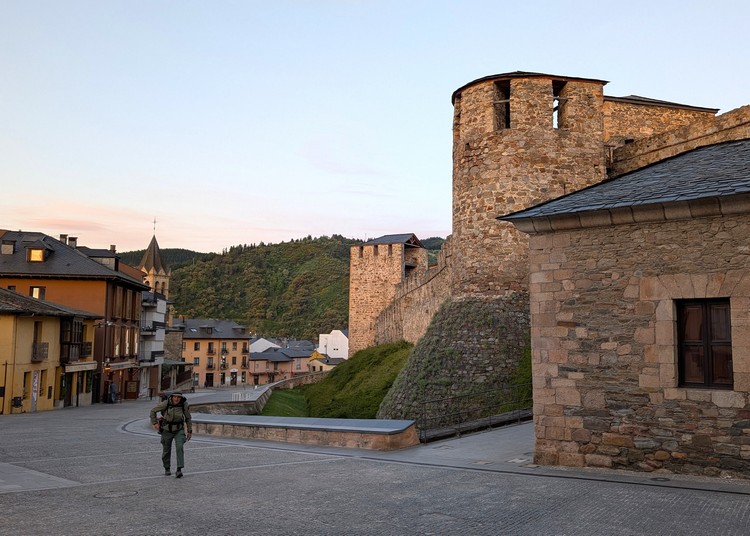
Beginner’s Guide to the Camino de Santiago
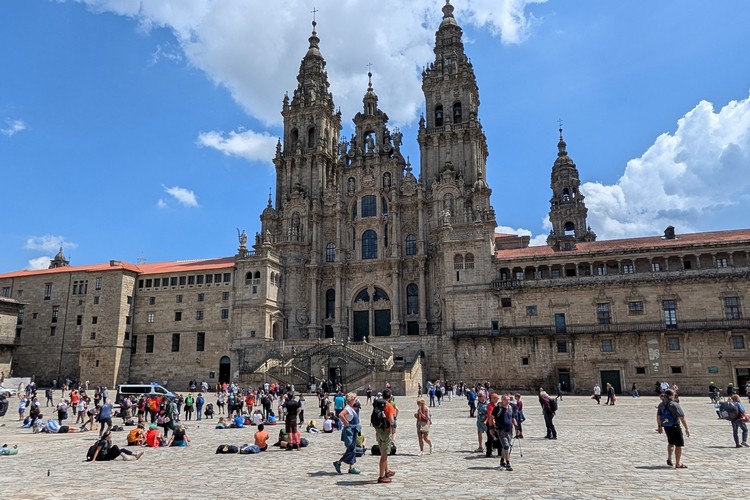
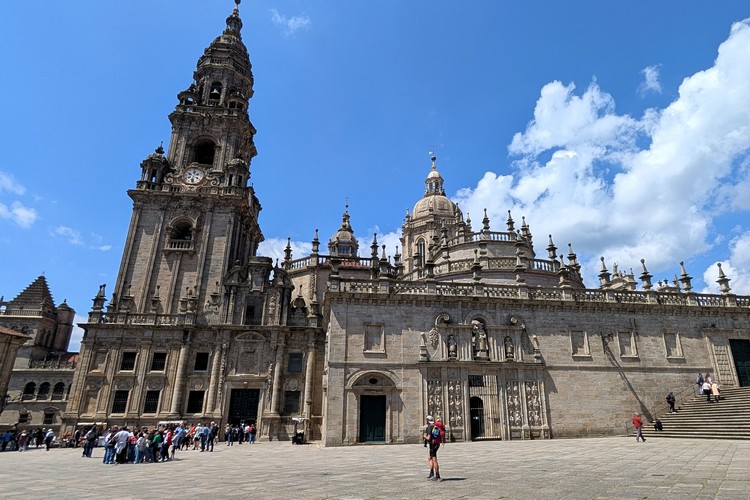
The Camino de Santiago (Way of St. James) is a series of historic pilgrimage routes across Europe, all leading to the Cathedral of Santiago de Compostela in Galicia, Spain.
Pilgrims have walked these routes for over 1,000 years. Today, the Camino de Santiago is one of the most famous long-distance walking journeys in the world, attracting 100,000s of pilgrims each year.
Related post: Thoughts after walking the Camino de Santiago.
Why walk the Camino de Santiago?
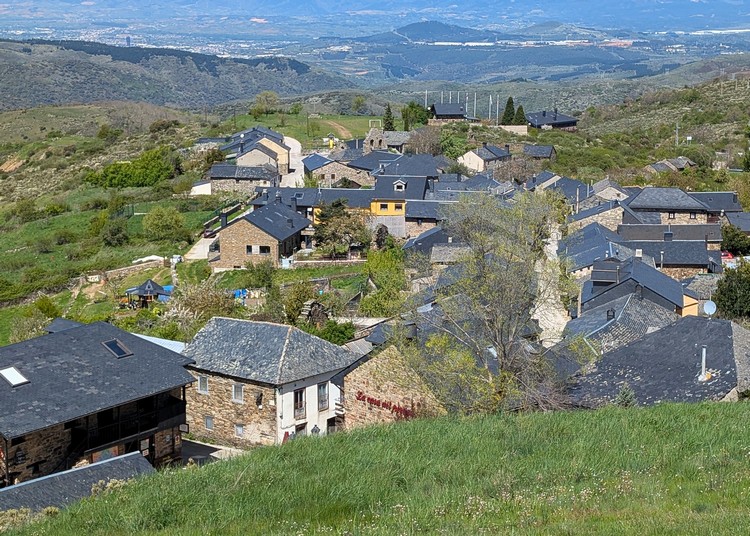
People walk the Camino for a variety of reasons. There is no right or wrong reason to walk The Way.
Some walk for spiritual and religious reasons. It’s a Catholic and Christian pilgrimage, with hundreds of chapels, churches and cathedrals along the path.
Some walk the Camino to work through grief and unwelcome change. The loss of a loved one. The loss of a career or personal identity. Or the acceptance of an unwanted disease that may change or consume your life, or someone you love. The hope is that the walk will help with the healing process.
Some walk for personal growth and reflection. Others walk for the adventure and physical challenge that comes with a long distance walk.
Some walk to escape the routine of every day life. To spend a few days or weeks disconnected from normal life and its constant demands. It provides the space to be free and live in the moment.
Some walk for community and connection. The Camino attracts like minded people from all over the world and the trail creates a space to create new relationships.
Watch this short recap from my Camino on Instagram.
What is the best Camino route?
The question behind the question is – what Camino route should I take?
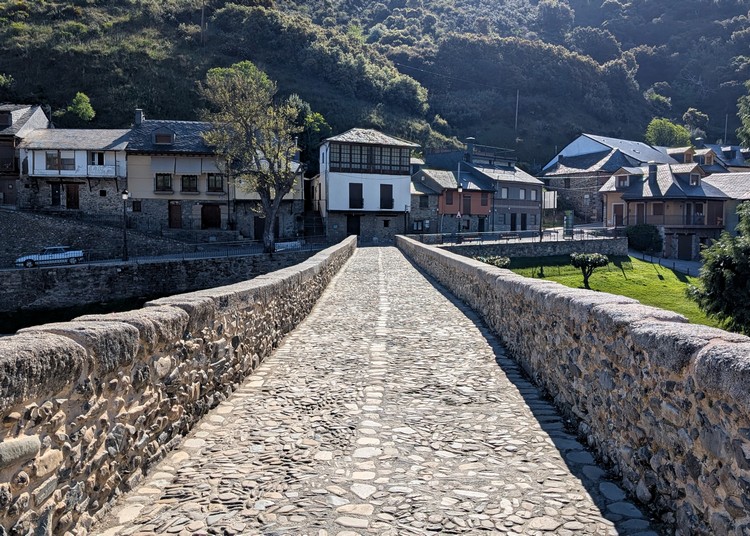
Each of the major Camino routes offer a unique experience, varying in difficulty, scenery, and atmosphere.
There are several factors that will impact your Camino experience:
- The route you choose – there are several different Camino routes
- Time on the trail – where to start?
- Distance per day – pace vs physical condition
- Time of year – weather and availability of accommodations
- Community vs solo travel – social time vs personal reflection
- Where you stay – albergues/dorms vs private hotel room (comfort)
- What you carry on your back (vs luggage transfer)
- Mindset and expectations – balancing goals vs reality (manage injuries)
- Pre-booking vs spontaneous – security vs freedom
- Cultural immersion – travel experience vs goal achievement
Below is a high-level overview of the most popular Camino routes.
Watch short video from the Camino on our Facebook page and Instagram feed.
Related – What to do in Santiago de Compostela after walking the Camino
Camino Francés (The French Way)
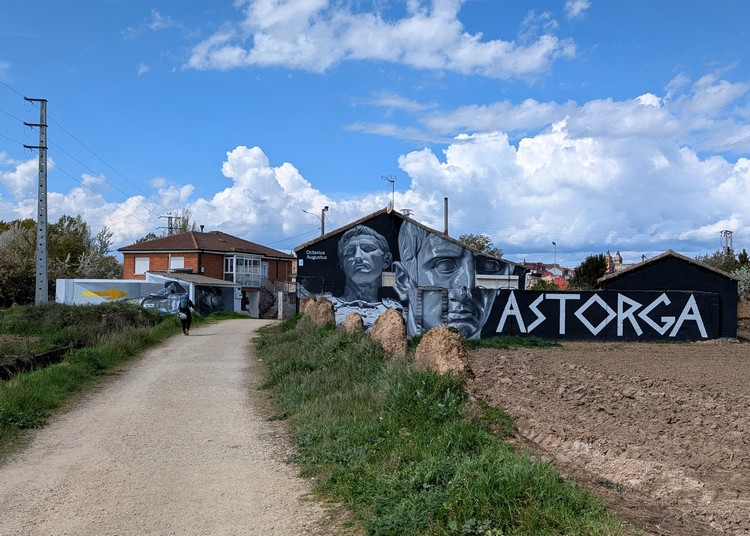
The Camino Francés is the most famous and popular of all the pilgrimage routes to Santiago de Compostela. It has been a major historical and cultural artery in Europe for over a thousand years and is a UNESCO World Heritage site.
Things to know about the Camino Francés:
- Distance: The full route from the traditional starting point in Saint-Jean-Pied-de-Port, France, is approximately 780-790 km (485-490 miles).
- Duration: Walking the entire route typically takes around 4 to 6 weeks (30 to 35 walking days), with many pilgrims averaging 20-25 km per day.
- Difficulty: It is generally considered to be moderate difficulty overall, with varied terrain. While mostly accessible, it has a few challenging sections, notably the strenuous initial climb over the Pyrenees and the ascent to O Cebreiro in Galicia.
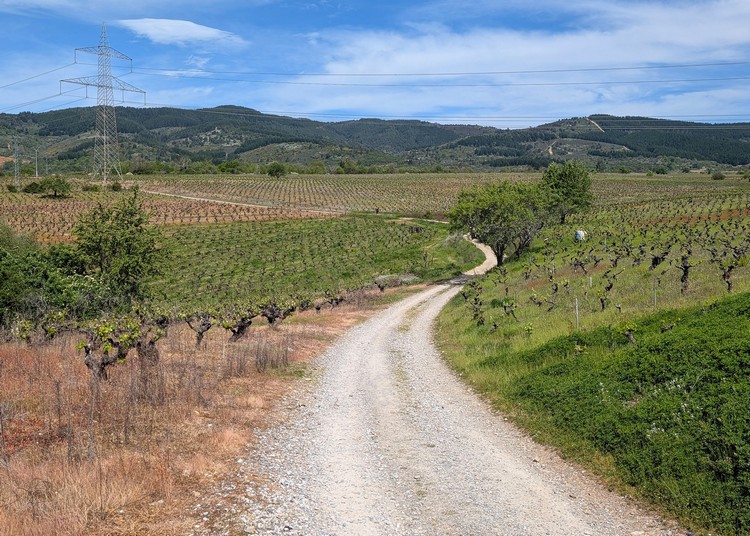
- Scenery: The landscape is incredibly diverse, transitioning from the dramatic peaks of the Pyrenees to the vineyards of La Rioja, the vast, open wheat fields of the Meseta (Castilian plateau), and finally the lush green hills of Galicia.
- Atmosphere: It is the most social and crowded route, particularly in peak season and the final 100 km section from Sarria. This makes it an excellent choice for first-time pilgrims or those seeking camaraderie and a strong sense of shared journey.
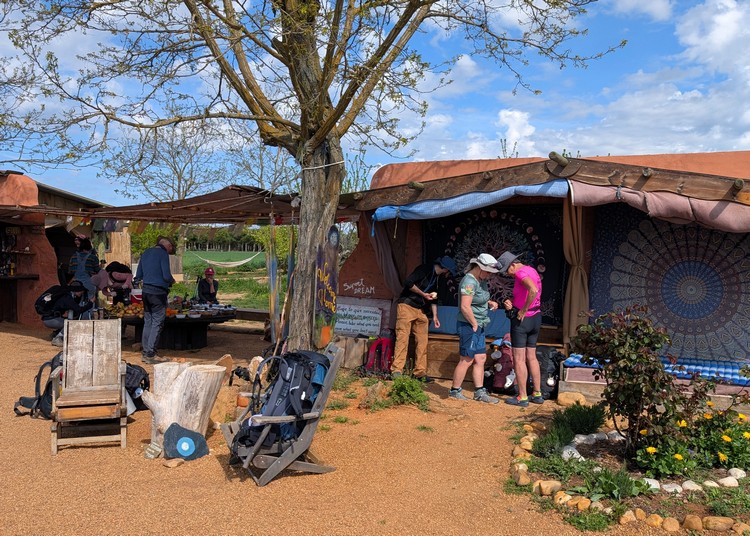
- Infrastructure: Excellent network of albergues (pilgrim hostels), cafes, and services; it can be walked all year round.
- Variety of Starting points: if you don’t have 5 weeks available, consider starting in Sarria (5-7 days), Ponferrada (9-10 days), or Leon (12-14 days).
- When to Go: Spring and autumn (May, June, September) are the best times due to mild weather and less crowds. Summer (July, August) can be very hot, especially crossing the Meseta plateau. Winter brings cold and snow to the mountain passes, with fewer services available.
Highlights on the Camino Francés
- Pamplona: Famous for the annual Running of the Bulls festival (San Fermín), it has a rich medieval heritage and beautiful city walls.
- Logroño: The capital of the La Rioja wine region, known for its world-class wines and vibrant tapas scene, especially on Calle del Laurel.
- Burgos: Home to one of Spain’s most stunning Gothic cathedrals, a UNESCO World Heritage Site.
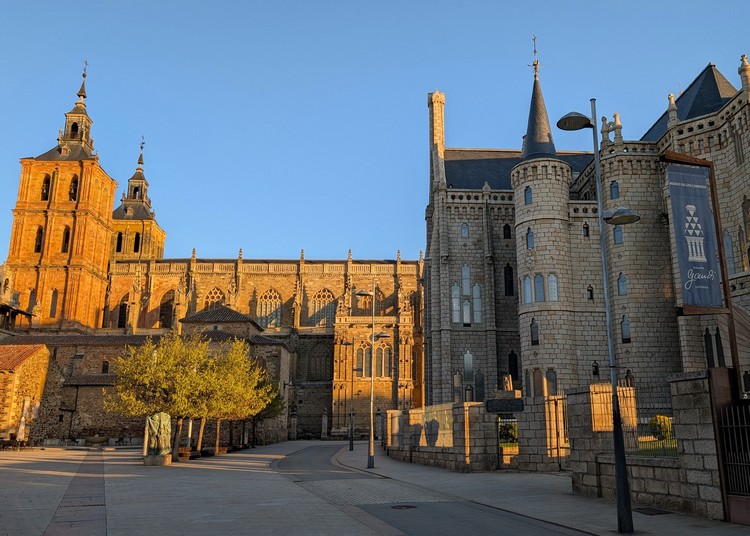
- León: An elegant city featuring another magnificent Gothic cathedral renowned for its stained-glass windows, and Gaudí’s neo-Gothic Casa de Botines.
- Ponferrada: Known for its impressive 12th-century Templar Castle.
- O Cebreiro: A picturesque mountain village with Celtic roots and traditional pallozas (thatched-roof stone houses), marking the entry into Galicia.
Related post – Why I started my Camino in Leon, Spain
Camino Portugués (The Portuguese Way)
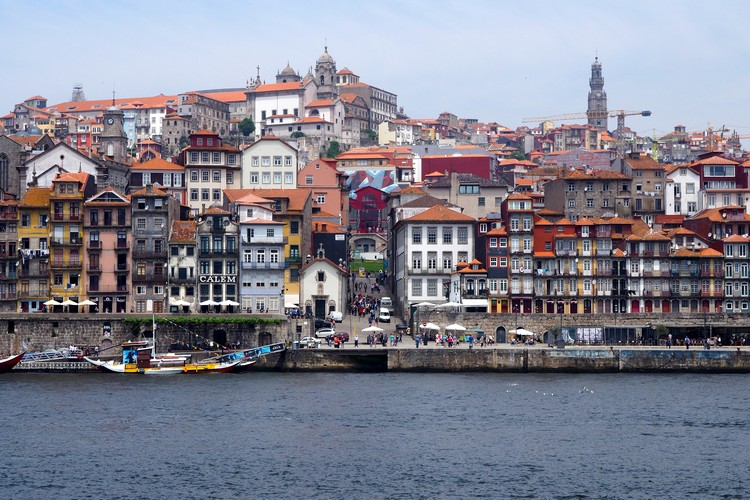
The second most popular Camino route is the Camino Portuguese. The main starting points are from Lisbon and Porto (the last 100km from Tui is also very popular).
The Portuguese Camino has three main routes from the city of Porto to Santiago de Compostela: the Central Route, the Coastal Route, and the Senda Litoral (Litoral Way). All three routes merge in the town of Redondela, Spain, about 85 km before the finish.
The Central Route (Camino Portugués Central)
The Central Route is the most traditional and popular of the Portuguese options, following ancient Roman roads and medieval trade paths through the interior of Portugal.
- Distance (from Porto): Approximately 242 km (150 miles), typically walked in 10-14 days.
- Scenery: The route features diverse landscapes including vineyards, forests, farmland, and historic towns like Barcelos, Ponte de Lima, and Tui.
- Difficulty: Generally considered moderate, with rolling hills and some significant ascents, particularly after Ponte de Lima.
- Atmosphere & Amenities: This is the busiest route, offering a strong sense of camaraderie and abundant infrastructure, including many albergues (pilgrim hostels), cafés, and shops. It has the most developed pilgrim services.
- Best for: History enthusiasts and those seeking a traditional pilgrimage experience with a strong community feel.
The Coastal Route (Camino da Costa)
- Distance (from Porto): Approximately 274 km (170 miles), typically walked in 10-14 days.
- Scenery: It winds through fishing villages and coastal towns like Viana do Castelo and Baiona, with a mix of paved roads, dirt tracks, and occasional boardwalks near the sea.
- Difficulty: Considered easy to moderate, although there are still hills and sections of paved road that can be hard on the feet. Exposure to sun and wind can also be a factor.
- Atmosphere & Amenities: Well-developed infrastructure, though slightly less dense than the Central Route in some rural stretches. It is popular with both pilgrims and beach-goers, especially in summer.
- Best for: Ocean and beach lovers, those seeking scenic views, seafood, and a slightly less crowded experience (except the peak summer months).
The Senda Litoral (Litoral Way)
The Senda Litoral is a variant of the Coastal Route that hugs the shoreline even more closely, primarily using wooden boardwalks along with beach sections.
- Distance (from Porto): Approximately 280 km (174 miles), typically walked in 10-14 days.
- Scenery: Characterized by unparalleled sea views, sand dunes, and beach walks. It is very scenic and popular with locals for recreation.
- Difficulty: This is the easiest route in terms of elevation, as it is almost entirely flat. The boardwalks are often more forgiving on the feet than paved roads.
- Atmosphere & Amenities: Fewer services are found directly on the path, requiring more careful planning for food and accommodation.
- Best for: Beginners, beach lovers, and those who desire flatter terrain.
Optional: The Spiritual Way (Variante Espiritual)
After the main Portuguese routes merge in Redondela, it continues to Pontevedra. At this stage, pilgrims have an option to take the Variante Espiritual. This is an alternative route that takes a day longer and includes a boat ride.
- Description: This variant detours from the central path to follow a coastal and river route, retracing the legendary sea-and-river journey that is said to have carried the body of St. James to Galicia.
- Key Feature: The final section involves a unique maritime-river crossing by boat up the Ulla river estuary to Pontecesures. The route continues to Padrón and then Santiago de Compostela.
- Best for: Those interested in a different experience. The boat ride is a symbolic part of the pilgrimage because it follows the final stage of the supposed journey of St. James’s body from Jerusalem to Galicia.
Related post – What I learned from walking the Camino
Camino Primitivo (The Original Way)
This is the oldest Camino route. It starts in Oviedo and traverse the Asturian and Galician mountains before reaching Santiago de Compostela.
Things to know about Camino Primitivo:
- Distance: The full route from the starting point in Oviedo to Santiago de Compostela is approximately 311-321 km (192-200 miles).
- Duration: It typically takes around 12 to 14 days to walk the entire route.
- Difficulty: It is widely considered the toughest Camino route due to frequent and steep ascents and descents through the Cantabrian Mountains. The first stages in Asturias are particularly demanding.
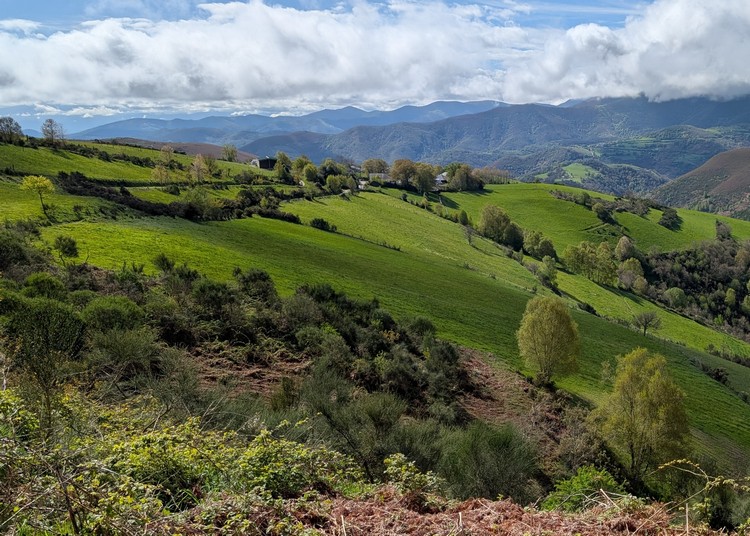
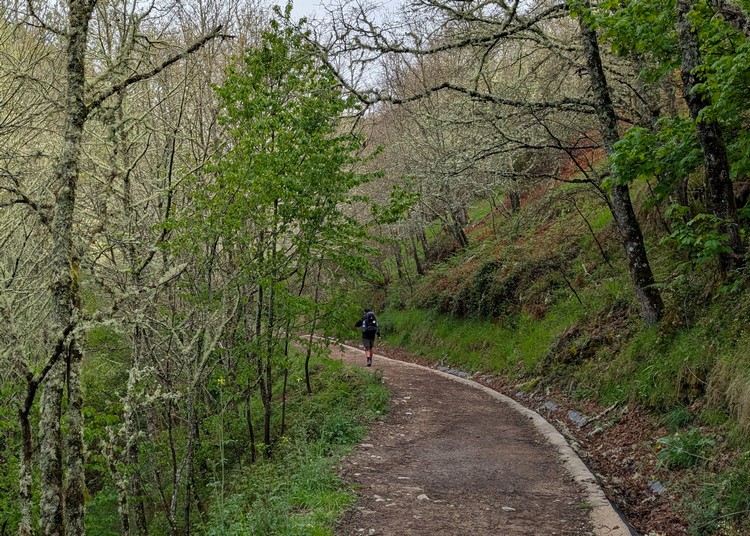
- Scenery: The path winds through remote, rugged landscapes of lush forests, green valleys, and dramatic mountain peaks. It offers spectacular natural beauty and a peaceful, contemplative atmosphere.
- Atmosphere: It is less crowded than routes like the Camino Francés. It’s ideal for experienced hikers seeking solitude, a deep connection with nature, and a more raw, authentic pilgrimage experience.
- When to Go: Late spring to early autumn (May to September) is the best time. Winter brings snow to the Cantabrian Mountains, making those sections very challenging or impassable. Rain gear is recommended year-round due to the northern climate.
Highlights on the Camino Primitivo:
- Oviedo: The start of the journey and the capital of Asturias, home to the Cathedral of San Salvador, which holds the Sudarium of Oviedo (a revered relic).
- Grado, Salas, and Tineo: Picturesque Asturian market towns and villages that provide a classic introduction to the region’s culture and hospitality.
- Pola de Allande & Grandas de Salime: Key points in the mountainous section, known for their natural beauty and as the last major towns before crossing into Galicia.
- Lugo: A city in Galicia famous for its fully intact, UNESCO World Heritage Roman walls, which completely encircle the historic center.
- Melide: The town where the Camino Primitivo merges with the bustling Camino Francés for the final stretch to Santiago.
Related post – Starting the Camino from Leon, Spain
Camino del Norte (The Northern Way)
The Camino del Norte is a historic pilgrimage route to Santiago de Compostela that follows the stunning northern coastline of Green Spain through the Basque Country, Cantabria, Asturias, and Galicia.
Things to know about Camino del Norte:
- Distance: The full route from the traditional starting point in Irún (on the French border) is approximately 825-865 km (512-537 miles).
- Duration: Walking the entire route typically takes around 4 to 6 weeks (30 to 35 walking days), depending on your pace.
- Difficulty: It is considered one of the more physically demanding routes due to frequent elevation changes (ascents and descents) as the path crosses cliffs, rivers, and hills. The first stages in the Basque Country are particularly hilly.
- Scenery: The route offers diverse landscapes, including rugged cliffs, beautiful sandy beaches, lush green forests, and charming fishing villages.
- Atmosphere: It is less crowded and more tranquil than the Camino Francés. It attracts pilgrims who are seeking solitude and a deeper connection with nature and rural culture. You are less likely to find a ‘Camino family’ but will encounter a strong base of experienced pilgrims.
- When to Go: The best time to walk is from May to September when the weather is mild and services are fully open. The coastal climate is cooler than inland Spain in summer, but rain is possible year-round, so rain gear is essential.
Highlights on Camino del Norte:
- San Sebastián: A world-renowned gastronomic capital famous for its beautiful La Concha beach and pintxos (Basque tapas).
- Bilbao: Home to the iconic Guggenheim Museum, a masterpiece of modern architecture.
- Santander: An elegant coastal city featuring a royal palace and golden beaches.
- Asturias region: Known for its dramatic coastal cliffs, picturesque fishing villages (like Luarca and Cudillero), and traditional apple cider.
- Ribadeo: The entry point into Galicia, near the stunning natural wonder of Cathedrals Beach (Playa de las Catedrales).
Watch short videos from the Camino on our Facebook page and Instagram feed.
Camino Inglés (The English Way)
The Camino Inglés, or the English Way, is a coastal pilgrimage route primarily used by pilgrims arriving by sea from Northern Europe (especially Britain and Ireland). It is one of the shortest and fastest ways to reach Santiago de Compostela, making it a popular choice for those with limited time.
Things to know about Camino Inglés:
- Distance: There are two main starting points:
- Ferrol: Approximately 110-119 km (68-74 miles). This is the more popular route as it exceeds the 100 km minimum requirement to earn the Compostela.
- A Coruña: Approximately 75 km (46 miles). Pilgrims starting here do not walk enough distance to qualify for the Compostela based purely on the walk, but the Cathedral in Santiago traditionally accepts credenciales that combine travel by boat to A Coruña with the walk.
- Duration: The Ferrol route typically takes 4 to 6 days to complete.
- Difficulty: It is generally considered one of the easiest routes, with gentle rolling hills and only a few moderate climbs, making it highly accessible for beginners or those seeking a less physically demanding journey.
- Scenery: The route features a mix of coastal views (especially near the start), industrial areas near the ports, pleasant Galician countryside, dense eucalyptus forests, and charming estuaries (rías).
- Atmosphere: It is one of the quieter routes, offering solitude and peace. While numbers are growing, it retains a calmer, less crowded feel than the Camino Francés, fostering a strong pilgrim community.
- When to Go: The route is accessible year-round. Like other northern routes, late spring through early autumn (May to September) offers the best weather, though rain is a possibility at any time in Galicia.
Highlights on the Camino Inglés
The Camino Inglés passes through several historic towns in the province of A Coruña:
- Ferrol: A historic naval port city and the traditional starting point for the 100 km walk.
- Pontedeume: A beautiful medieval town located on an estuary, known for its well-preserved historic center and nearby castle ruins.
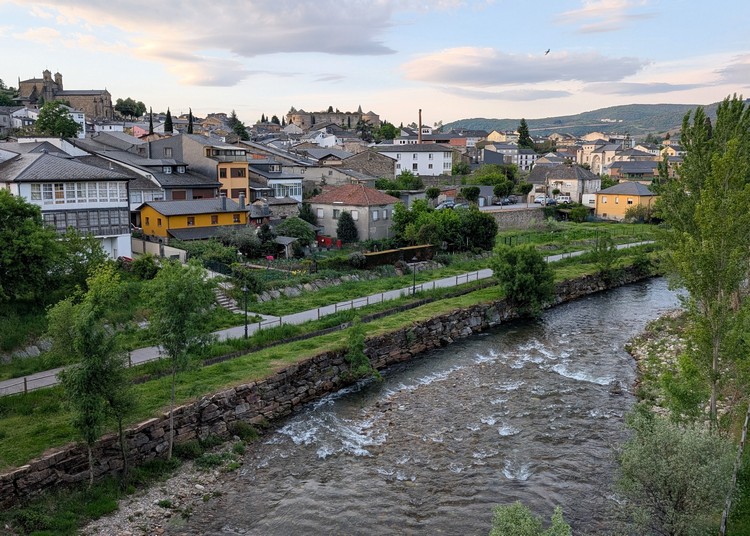
- Betanzos: A beautifully preserved Gothic town situated on a hill overlooking the Mandeo River, known for its artistic and historical heritage.
- Hospital de Bruma: A historical pilgrim resting spot in a quiet, rural setting that offers insight into the medieval origins of the pilgrimage.
Watch this short reel from my arrival to Santiago de Compostela.
Camino Finisterre and Muxía
The Camino Finisterre and/or Muxía is an extension of the Camino pilgrimage, as it is the only official route that starts in Santiago de Compostela and heads west to the Atlantic Ocean. It follows an ancient pre-Christian path to the ‘end of the world’ (Finis Terrae).
Things to know about Camino Finisterre and/or Muxia:
- Distance:
- Santiago to Finisterre (Fisterra): Approximately 90 km (56 miles).
- Santiago to Muxía: Approximately 87 km (54 miles).
- Looping both: The entire journey to both locations is around 115-120 km.
- Duration: The Finisterre route can be walked in 4 days. Both take 5 to 7 days.
- Difficulty: It’s considered one of the easier routes, with moderate hills and no major climbs.
- Scenery: The route moves from inland Galician countryside and eucalyptus forests to rugged coastline, known as Costa da Morte (Coast of Death).
- Atmosphere: It is a quieter and more solitary route compared to the Camino Francés, ideal for unwinding, reflecting, and achieving closure after the main journey to Santiago.
- When to Go: The route is accessible year-round due to its cool coastal climate. May to September are the driest months and are recommended for the best weather.
Getting the Certificate
You do not receive the Compostela for this route, as the Compostela is only awarded for routes that end in Santiago de Compostela.
However, you can receive special certificates that are unique to this journey:
- The Finisterrana can be obtained from the tourist office in Finisterre.
- The Muxiana can be obtained from the municipal albergue in Muxía.
- You can use your original credencial (pilgrim passport) to collect stamps along this extension.
Highlights on the Camino Finisterre and Muxia
- Ponte Maceira: A beautiful 13th-century bridge across the Tambre River.
- Cee: The largest town in the area with amenities, a nice church, and coastal views.
- Cape Fisterra: The historic ‘end of the known world’, featuring a dramatic lighthouse, 0.0 km marker, and a famous place to watch the sunset over the Atlantic.
- Muxía Sanctuary: The Sanctuary of the Virgin of the Boat (Virxe da Barca), located by the ocean with “magic” stones (Piedra de Abalar) linked to local legends.
- Costa da Morte: The coastline is known for its wild, untamed beauty, shipwrecks, and local legends.
Related post – What I learned from walking the Camino
How much does it cost to walk the Camino?
Cost will vary depending on two main factors – accommodations and food.
Generally speaking, a budget of €40 to 60 per day is common for a mid-range experience, staying at albergues/hostels and eating simple pilgrim meals.
For a more comfortable experience, plan for a budget of €60-100+ per day. This budget includes staying in private hotel rooms and dining at restaurants.
Can I do the Camino on a very cheap budget?
Yes. Municipal albergues cost as little as €6-10 per night. They are very simple and require you to bring a sleeping bag or light sleep sack.
Plan to prepare your meals at hostel kitchens. This will help reduce costs.
Watch short videos from the Camino on our Facebook page and Instagram feed.
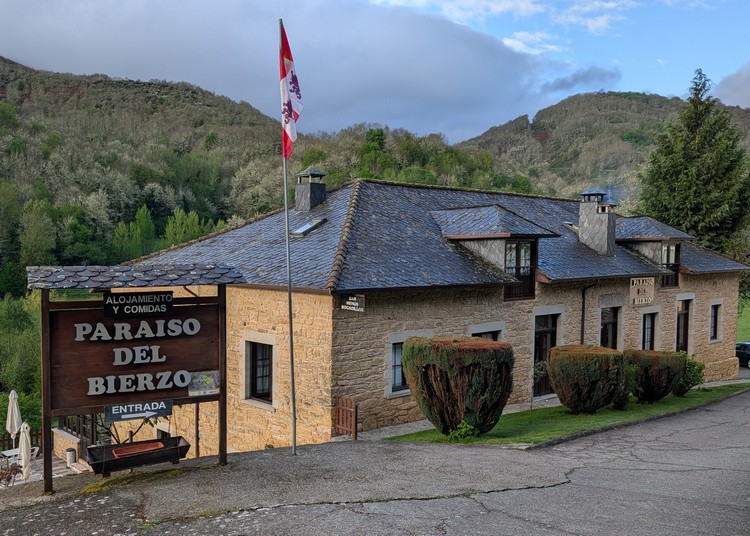
Where do I sleep on the Camino de Santiago?
Pilgrims typically stay in albergues (pilgrim hostels with dormitory-style accommodation) which are plentiful and affordable. Depending on the Camino route you choose, it’s common to find albergues in most cities, towns and villages.
Private hotels, guesthouses and short-term rentals are available on most of the major Camino routes.
What is an albergue?
Albergues are pilgrim hostels that range from basic to boutique.
- Municipal/public albergues cost between €6-10. They are first-come-first-serve, and communal.
- Private albergues cost around €12-20. They can usually be reserved ahead of time. Some have extra amenities like laundry, swimming pools and social rooms.
- Hotels/guesthouses have a wider range in price, typically between €25-100+. They offer more privacy, amenities, and comfort.
Do I need to book accommodation in advance?
Opinions vary on this. Some prefer the flexibility of winging it. Others prefer to book ahead, especially during peak season or in smaller towns with limited beds, to guarantee a spot.
For private hotels and more luxurious accommodations, it’s best to make reservations ahead of time.
Booking.com has most hotels and private albergues available. Other popular apps are Wise Pilgrim, Buen Camino, and Camino Ninja.
What should I pack for the Camino?
Packing for the Camino de Santiago requires a ‘pack light, pack right’ mindset, focusing on quick-drying, well-fitting gear. You need much less than you think!
The general rule is that your backpack should not weigh more than 10% of your body weight.
- Backpack: A 30-40L internal-frame pack is sufficient. Ensure it has a hip belt to distribute weight. Rain cover is recommended.
- Footwear: Bring one pair of well-broken-in walking shoes (hiking shoes, boots, or trail runners) and a second pair of lightweight sandals or flip-flops for evenings and showers.
- Water Bottle/Bladder: A reusable water bottle or hydration reservoir (2L capacity total recommended). There are plenty of refill stations along the way.
- Sleeping: A lightweight sleeping bag or a silk sleeping bag liner is recommended for use in albergues, as not all provide full bedding. However, if you plan to stay in hotels or private albergues, you may not need this.
- Headlamp/Flashlight: Useful for early morning starts before the sun is up or navigating dark albergues.
- Trekking Poles: Optional but highly recommended. They help with posture and take pressure off your knees, especially on steep descents.
Clothing packing list
Focus on lightweight, synthetic, or Merino wool fabrics. Avoid cotton as it’s slow to dry.
- 3 quick-dry T-shirts
- 1 long-sleeve shirt (fleece or light puffer for layering)
- 1-2 pairs of quick-dry hiking pants or convertible pants (zip-off legs)
- 1 pair of shorts (if you don’t have convertible pants)
- 3 pairs of proper hiking socks (Merino wool is popular for blister prevention)
- 3 pairs of quick-dry underwear
- 1 lightweight rain jacket (or poncho)
- 1 wide-brimmed sun hat or cap and sunglasses
- 1 neck buff for sun protection and/or warmth
Other items to consider – toiletries, laundry soap, sunblock, electronic chargers, extra power bank, headphones/ear buds, portable umbrella, etc.
It’s wise to bring sufficient cash (Euros) with you, as many services and amenities are cash only.
Luggage transfers on the Camino
Luggage transfer on the Camino de Santiago is a widely available and popular service that transports your main luggage from one accommodation to the next while you walk with only a small daypack.
How the Service Works
The process is straightforward and consistent across most providers:
- Book the service with a chosen company (e.g., Correos, Jacotrans, Caminofacil). You can book the entire route in advance or on a daily basis (usually by 8:00 PM the night before).
- Label your luggage clearly with the provided tag (or a piece of paper with your name and next destination). You must provide the name of you next hotel along with the address.
- Leave your luggage at the reception of your current accommodation by 8:00 AM.
- Walk to your next destination.
- Pick up your luggage at the reception of your next accommodation, where it will be delivered by the afternoon, typically by 2:30 PM or 3:00 PM.
Key Providers and Costs
Several companies offer this service, with prices generally ranging from €4 to €12 per bag per stage.
- Correos (Spanish postal service): Offers the “Paq Mochila” service, covering most major routes within Spain (not from Saint-Jean-Pied-de-Port).
- Jacotrans: A long-established company operating mainly on the Camino Francés from St. Jean Pied de Port to Santiago and Finisterre.
- Caminofacil: Provides service on the Portuguese Way and the French Way, also offering a taxi service for people.
- Pilbeo: Offers online booking and an app for tracking your bag’s movement on various routes.
Important Considerations
- Weight Limits: Bags generally have a weight limit of 15 kg (33 lb) to 20 kg (44 lb). Overweight fees may apply.
- Accommodation Type: This service works best with private albergues, hotels, and guesthouses that have a reception desk to manage the drop-off and pick-up.
- Flexibility: While convenient, using the service requires you to have your next night’s accommodation booked in advance, reducing spontaneity.
- Alternatives: You can also send extra luggage ahead to Santiago for storage at places like the Correos office or Casa Ivar if you do not need it daily.
Watch short videos from the Camino on our Facebook page and Instagram feed.
Frequently Asked Questions about the Camino
What’s the best time of year to do the Camino?
- April-June: Mild weather, wildflowers, fewer crowds.
- July-August: Peak season, very hot, crowds, competition for availability at albergues.
- September-October: Comfortable temperatures, vineyards in harvest, busy but not overwhelming.
- November-March: Quiet, but cold, wet, and some albergues closed.
Do I have to be religious to walk the Camino?
No. While it began as a Christian pilgrimage, today many walk for fitness, personal discovery, or cultural exploration.
Related – Thoughts after walking the Camino Frances
Is it safe to walk the Camino alone?
Yes, the Camino is generally very safe, including for solo female travelers.
The pilgrim community is supportive and there is a local presence of police in remote areas.
That said, standard travel safety precautions still apply. Keep an eye on your belongings, avoid late nights in big cities, watch for suspicious behaviour, etc.
Do I need to speak Spanish?
No, but knowing a few basic phrases (“Buen Camino!”, “Una cama, por favor”) is very helpful and appreciated by locals.
Most hotels and restaurants have English available. When in doubt, use Google Translate.
What is the Pilgrim Passport (Credencial)?
The Credencial is your “pilgrim passport,” which you stamp daily along the route to prove your journey.
The Compostela is the official Latin certificate you receive at the Pilgrim’s Office in Santiago if you have walked at least the final 100 km (or cycled 200 km) for religious or spiritual reasons
Can I use a tour company to plan and book my Camino?
There are several tour companies that specialize in Camino de Santiago trips. They help you plan the route, based on your desired distance, pace, travel style and budget.
You still navigate the path as any other pilgrim, but they take care of booking your accommodations, breakfasts and dinners, and typically provide luggage transfer services. They also provide customer support and can offer advice and recommendations.
How do I return home after completing the Camino?
Santiago has its own airport (SCQ) with flights to Madrid, Barcelona, and some European cities.
Trains and buses also connect Santiago de Compostela to Madrid and Porto.
Related post – Should you travel to Salamanca, Spain?
Are you planning to walk the Camino de Santiago?
Leave a comment below if you have any questions.

Leave a Reply