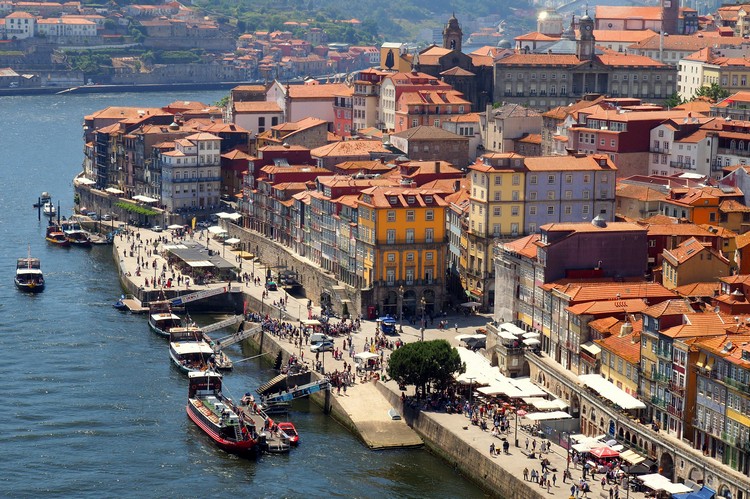
Camino Portuguese Coastal Route
The Camino Portuguese Coastal Route (Caminho Português da Costa) has become one of the most popular Camino routes in recent years. This Camino actually has four different routes, with three of them starting in Porto, Portugal and ending in Santiago de Compostela, Spain.
Learn about the different Camino routes here.
I shared the general plan for my Portuguese Camino in this blog post prior to departing for Portugal.
However, things did not go according to plan.
Lufthansa pilots and crew went on strike, which led to my flight being cancelled two days before departure. Not a great start.
Fortunately, I found an alternative flight on KLM that departs two days later. The initial flight from Vancouver to Amsterdam went smoothly. However, when I boarded my connecting flight from Amsterdam to Porto, the aircraft did not pass safety inspection. Every body off the plane. Doh! So close.
Eventually I did arrive in Porto. But it was 3 days after my original flight was supposed to arrive in Porto.
To get my schedule back on track, I made the decision to start my Camino directly from the Porto airport.
Unfortunately, this meant I did not have time to spend in Porto at the start of my trip. It also meant that I did not have time to deal with jet lag or acclimate to the 8 hour time difference.
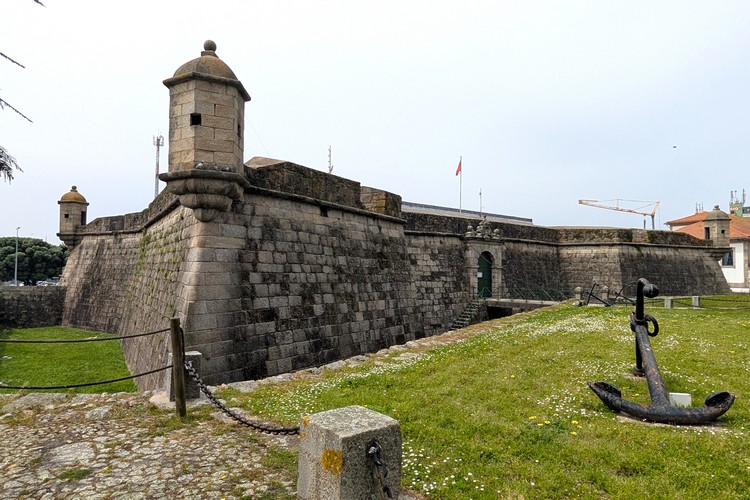
I took an uber from the Porto airport to the coast, about 10 km north of downtown Porto. Shortly after I starting my walk, I passed Fort of Leça da Palmeira in Matosinhos (pictured above).
This section of the Camino is on the Litoral Way (Senda Litoral).
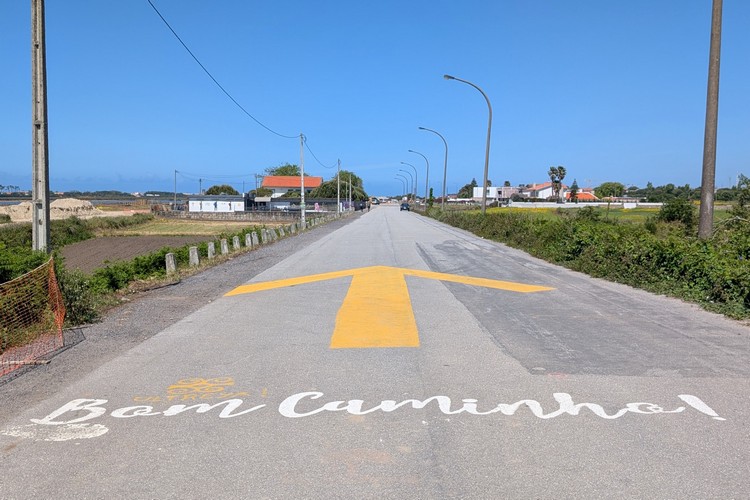
Stages of my Portuguese Camino
Before I breakdown each stage, I thought I’d share a quick view of where I stayed on the Camino Portuguese. Here’s a link to Facebook reels from each segment.
I spent time on all four routes of the Portuguese Camino, including the Senda Litoral, Coastal Route, Spiritual Variant and Central Route.
- Porto (Matosinhos) to Lavra (Litoral) – 14 km
- Lavra to Agucadoura (Póvoa de Varzim) – 24 km
- Agucadoura to Mar (north of Esposende) – 24 km
- Mar to Viana do Castelo (Coastal) – 24 km
- Viana do Castelo to Caminha – 25 km
- Caminha to Viladesuso (Litoral) – 26 km
- Viladesuso to Patos Beach, Nigran – 25 km
- Patos Beach to Chapela (Vigo suburbs) – 29 km
- Chapela to Pontevedra (Coastal & Central) – 28.5 km
- Pontevedra to Barrantes (Spiritual Variant) – 27.5 km
- Barrantes to Vilanova de Arousa (Spiritual Variant) – 18.5 km
- Vilanova de Arousa to Santiago de Compostela (Central) – 29.5 km
- Santiago de Compostela – free day to rest and explore
- Santiago de Compostela to Porto – 4 hour bus (9:00 am departure)
- Porto to Home (Vancouver)
I share my accommodations and reasoning for why I chose these stages at the end of this post.
Scroll to the bottom of this VERY long post to see the cost of each hotel/hostel that I stayed at.
Related post: Beginners Guide & FAQ about the Camino de Santiago
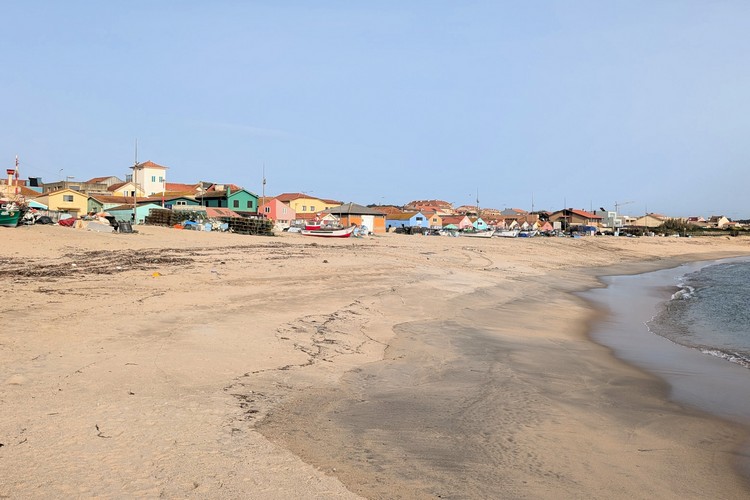
Day 1 – Porto Airport to Lavra
My first night was spent at a coastal town named Lavra. It’s located about 22-24 km from the Porto Cathedral, the official starting point of the Caminho Português.
I walked about 14 km that day. It was an easy day of walking, but I was exhausted from the 48+ hours of travel from Vancouver to Porto.
I stayed in the 8 person dorm room at Angeiras Beach Hostel.
Why I stayed in Lavra?
My original plan was to start at Porto Cathedral. The goal is to walk between 20-25 km on Day 1. Not too long, but enough to challenge the body and cover some ground.
Using this distance as a starting point, the logical stops would be either Lavra, Labruge or Vila Chã. I researched the hostel/albergues in each of these towns. The most popular seemed to be Angeiras Beach Hostel (Lavra), Albergue São Tiago de Labruge, and Albergue São Mamede De Vila Chã.
The only hostel that I could book online (using Booking.com) is Angeiras Beach Hostel. I didn’t want to risk not finding a bed on Day 1, so having the ability to easily book online made the decision for me.
I paid 37 Euros for the bed. It includes pillow, blanket and linen (no towel).
Here’s a short video from Day 1 on the Portuguese Camino Coastal Route.
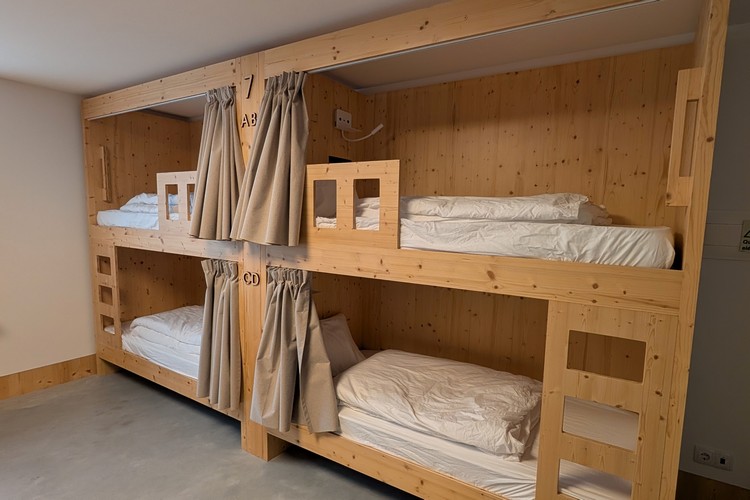
Angeiras Beach Hostel is a new hostel, so everything feels clean and new. The beds are comfortable. Pillow, blanket and linen included.
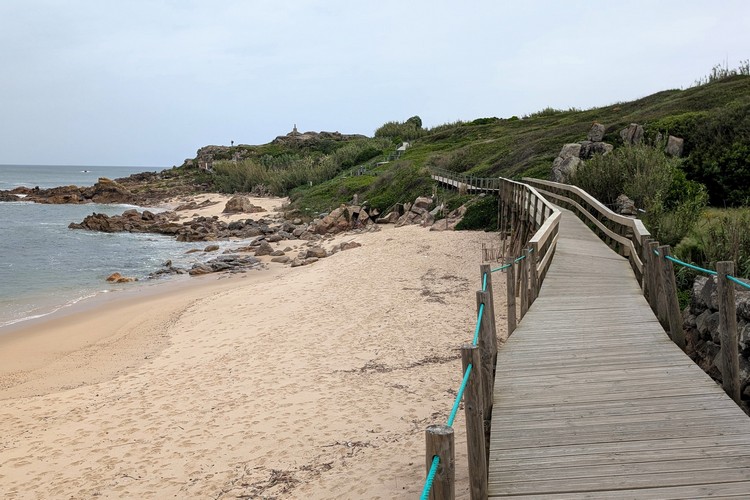
It’s located close to several restaurants and cafes, and it’s on the Camino Litoral route. Lavra is a small and quiet beach town with colourful homes along the waterfront. I enjoyed an evening walk on the beach before heading to dinner at A Casa do Gordo.
This video shares footage of the hostel – scroll to the end of the video.
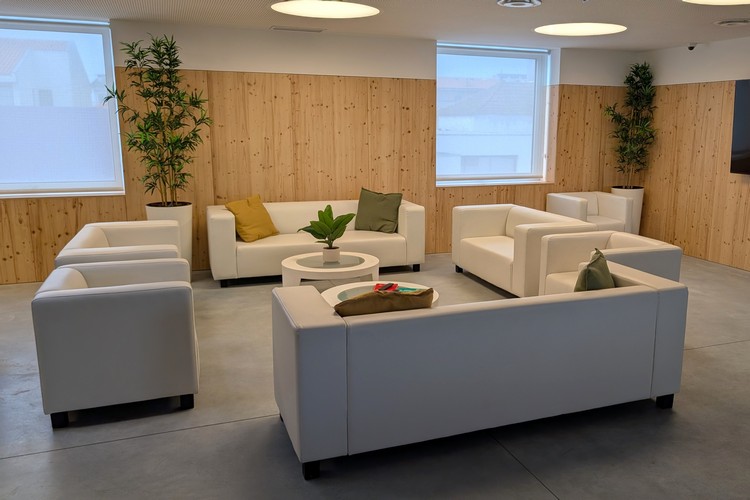
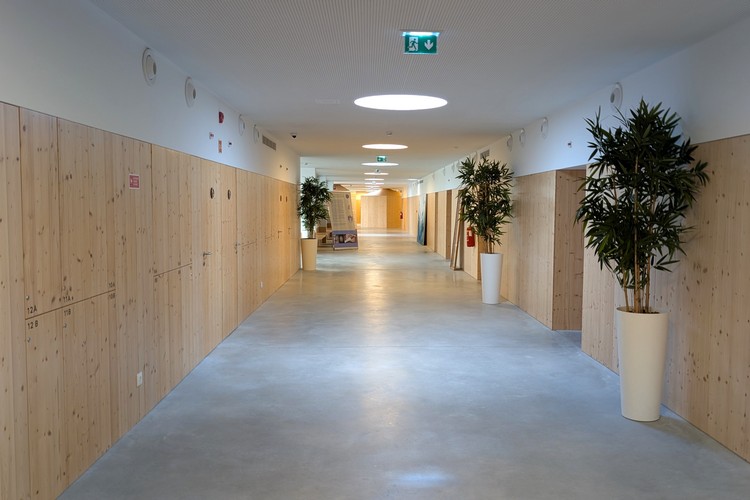
Common area and hallway inside Angeiras Beach Hostel.
Day 2 – Lavra to Agucadoura (Póvoa de Varzim)
I had a rough sleep in the 8 person dorm room in Lavra. The room sounded like Jurassic Park with the relentless loud snoring and unusual bodily sounds coming from my roommates. I’m a very light sleeper, and I don’t sleep well with loud strangers in the room.
That said, Angeiras Beach Hostel is nice and I would recommend it.
On Day 2, I walked 24 km from Lavra to Hotel Santo Andre.
This hotel is located directly on the beach, a few kilometers north of Póvoa de Varzim.
Why I stayed here?
After three consecutive nights of very poor sleep, I decided to get a private hotel room to catch-up on some much needed quality sleep.
I paid 55 Euros for the private room. The price includes a nice breakfast buffet.
I thought that was a good deal, considering I paid 37 euros for the dorm bed the night before. And the breakfast buffet was good value. I was able to takeaway some pastries and fruit for lunch.
Watch this video recap from Day 2 on the Portuguese Camino.
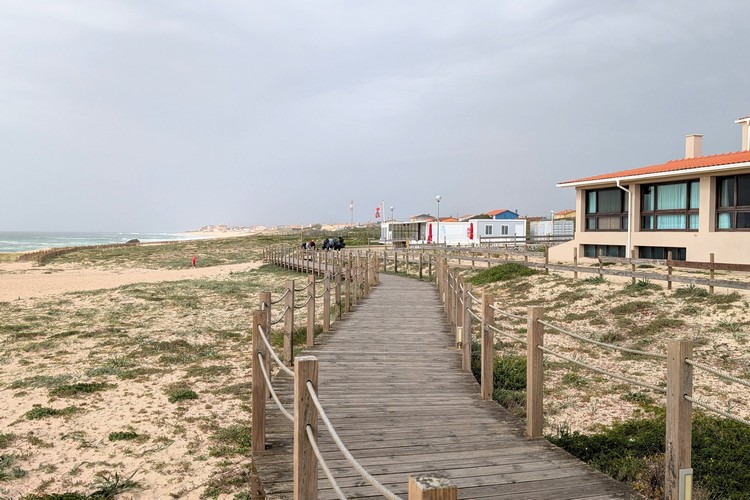
Hotel Santo Andre is located directly on the Senda Litoral Camino
When I say directly, I mean it’s actually within steps of the actual trail. In the above photo, the boardwalk is the Camino route. The building on the right is Hotel Santo Andre.
It’s nice to not have to walk far from the Camino trail to find the accommodation for the night.
However, the downside is that this hotel is quite isolated. There isn’t much nearby. Therefore, my only option for dinner was the hotel restaurant. The food was fine. It offers a set menu with a few options.
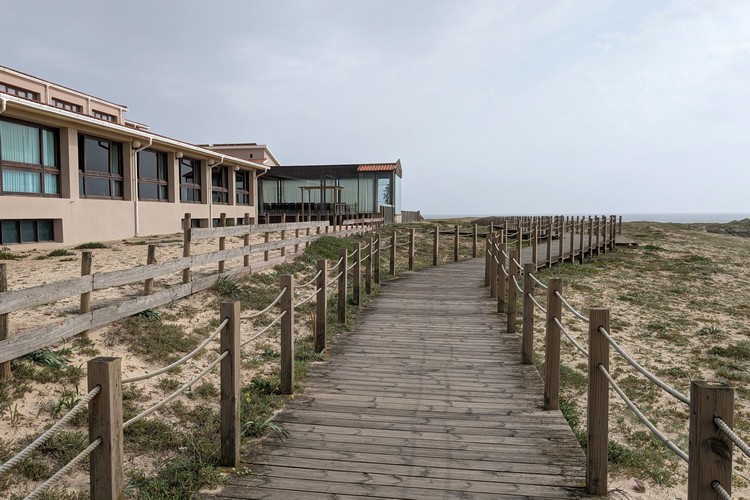
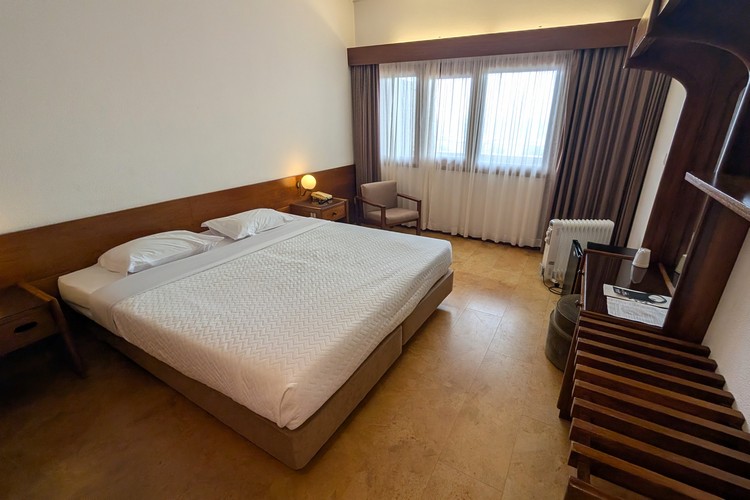
View inside the private hotel room at Santo Andre Hotel. The room is dated and the bed is hard, but it’s clean and comfortable. I was able to get a solid sleep here.
Watch this video recap from Day 2, including a hotel room tour.
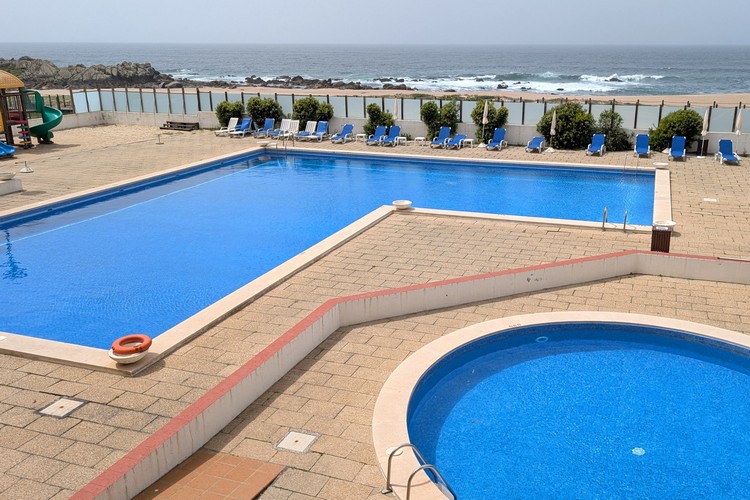
Hotel Santo Andre has a pool and it’s located on the beach.
My plan was to spend time at the pool and beach during my stay. However, the pool was very cold and it rained in the evening. I did find time to soak my feet in the pool, which was nice. Unfortunately, I did not spend any time on the beach, which was disappointing.
I was still battling jet lag and exhaustion, and my body just wanted sleep.
I imagine this pool would be very welcoming during the hot summer months. I’m writing this blog post in early July, when Western Europe is experiencing a heat wave.
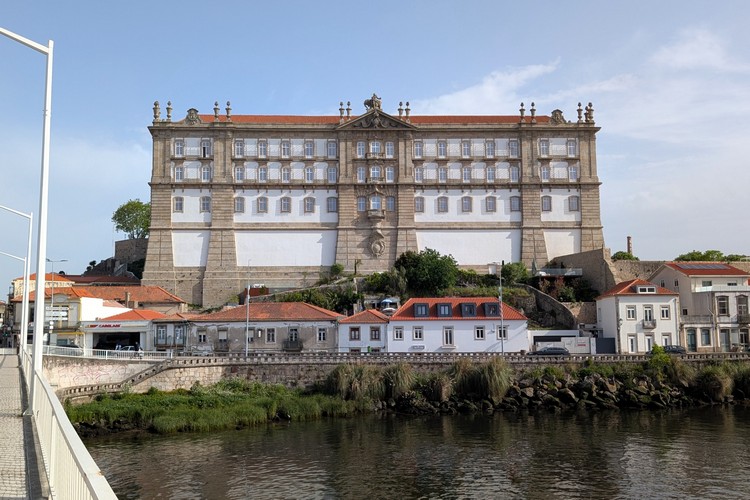
On Day 2, I passed the iconic Mosteiro de Santa Clara in Vila do Conde.
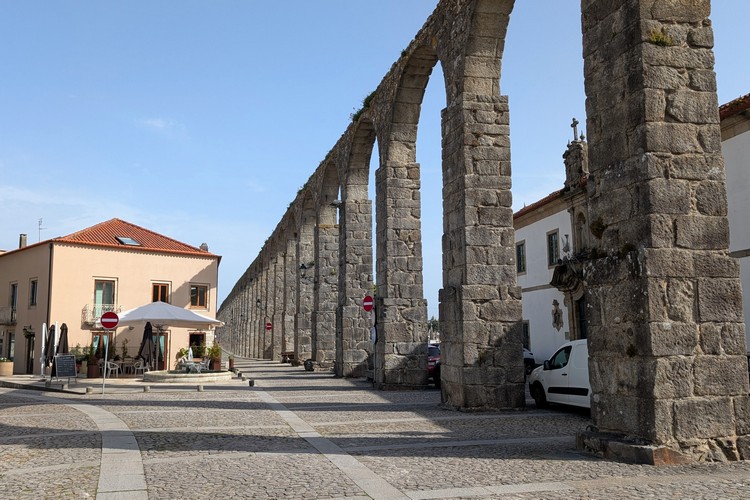
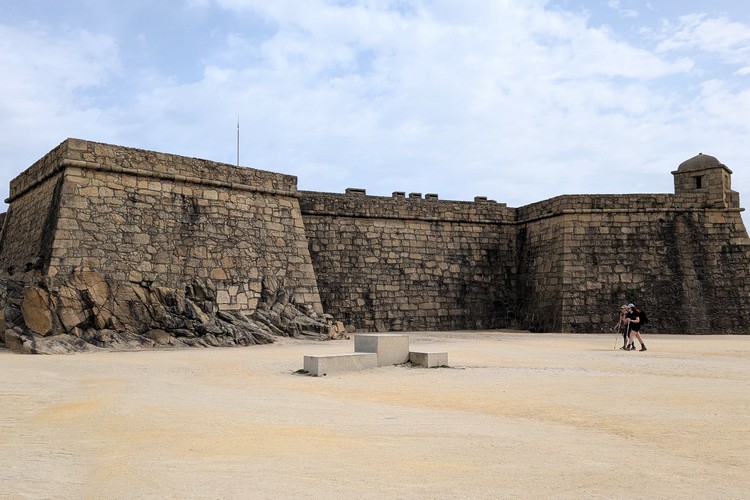
I took a detour in Vila do Conde in order to see Forte de São João Baptista de Vila do Conde.
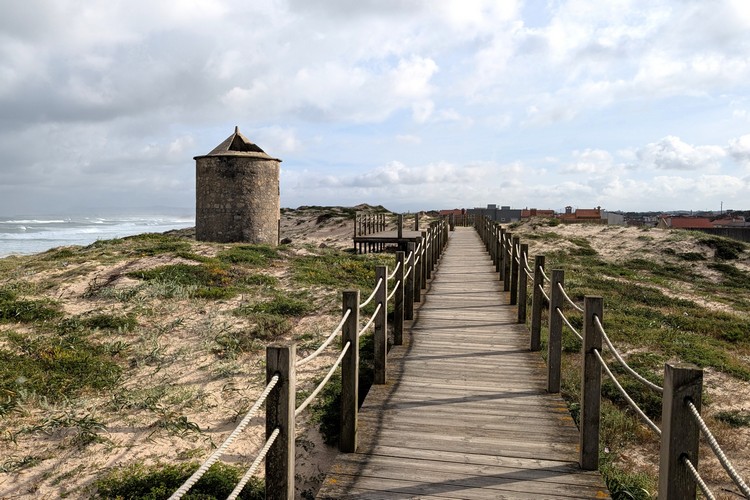
Day 3 – Agucadoura (Póvoa de Varzim) to Mar (north Esposende)
I walked about 24 km on Day 3. The Senda Litoral route passes directly in front of Hotel Santo Andre, so it was easy to get started in the morning.
I spent the night at a small roadside hostel in a town call Mar. It’s located about 5 km north of Esposende.
Why I stayed here?
A common approach the Camino Portuguese is to stay overnight at Vila do Conde, then Esposende, then Viano do Castelo. But because Hotel Santo Andre is located halfway between Vila do Conde and Esposende, it did not make sense for me to stay in Esposende.
Therefore, I made the decision to stay somewhere between Esposende and Viano do Castelo. This would shorten the walking distance the following day.
Watch my Day 3 recap video here. It includes a brief room tour.
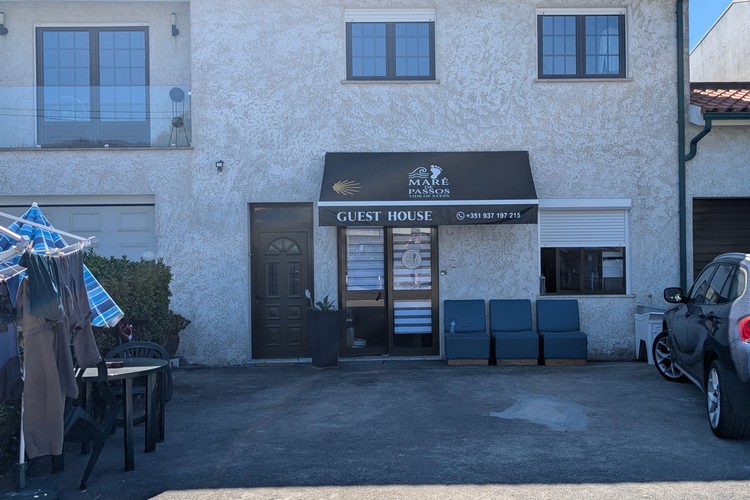
I stayed at Mare de Passos Guest House. It’s a small hostel with only 6 bunkbeds in the dorm room. Each bed includes a pillow, blanket(s), linen and towel.
I paid 25 euros for the bed.
I made the reservation online via the Booking.com app. However, I paid cash upon arrival.
Side note – it’s a good idea to have extra cash with you when walking the Camino.
Mare de Passos Guest House is not a typical stop on the Portuguese Camino, but it was a comfortable stay. It’s located on the N13 highway, between the Coastal Route and Litoral Way. Here’s the location on Google Maps.
Watch my Day 3 recap video here.
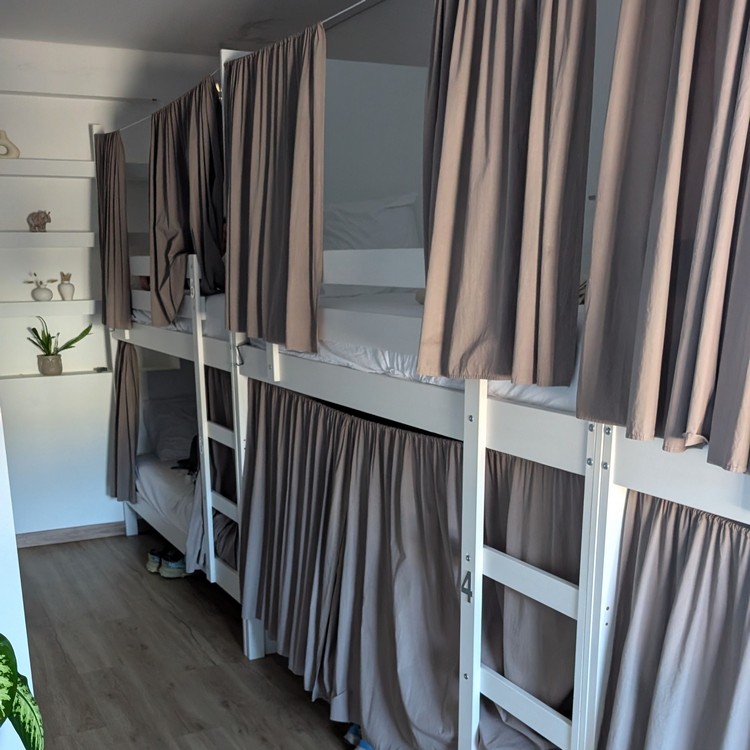
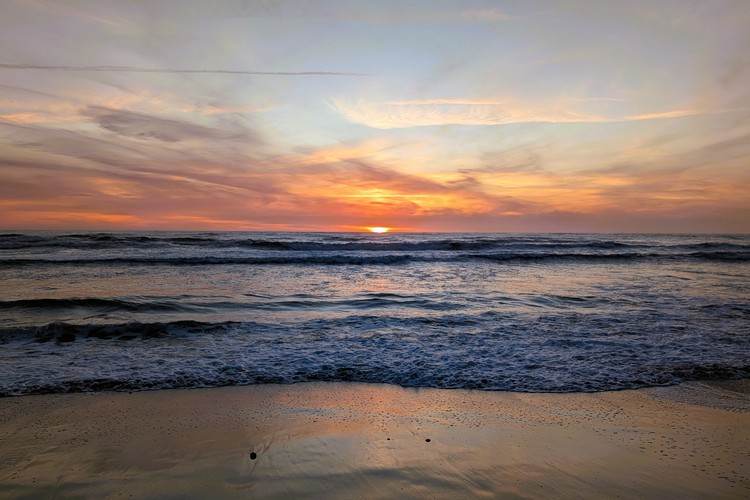
Mare de Passos Guest House is located about 1.5 km from the beach. The owner provides bikes to guests, so I joined my new Austrian friend on a bike ride to watch the sunset. It was a nice evening.
Above is Praia de Rio de Moinhos at sunset.

I tried my first Francesinha sandwich at Cafe Maranhao Bar.
It was good. Not great, but it hit the spot. There are only a few restaurant options in Mar.
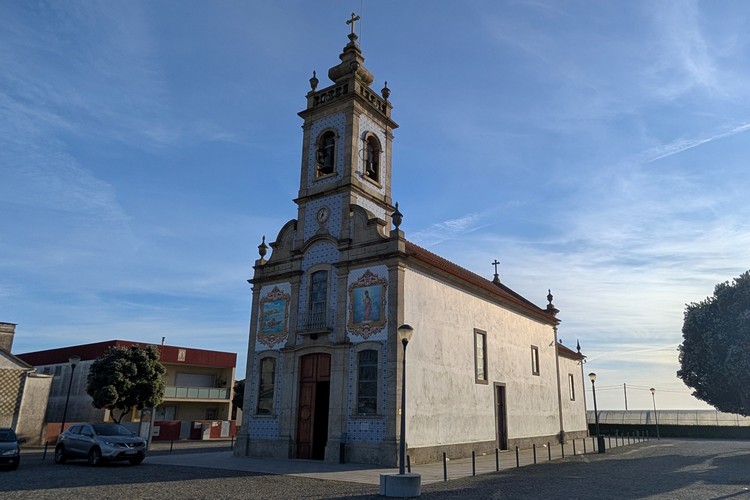
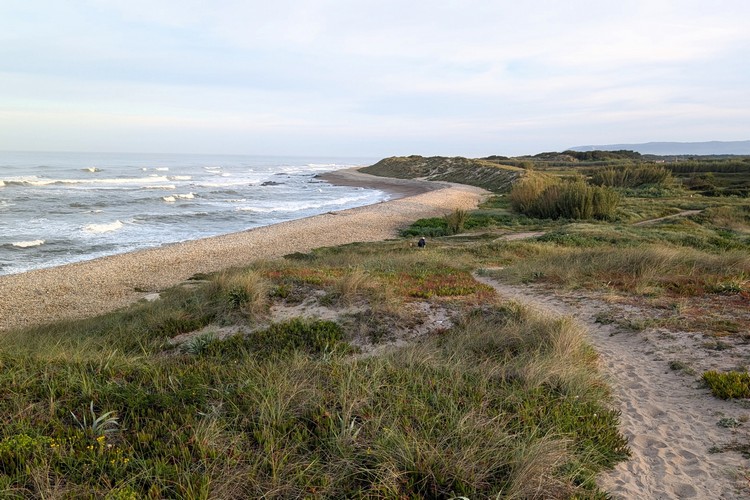
Day 4 – Mar to Viana do Castelo
Because the guest house from the previous night is located between the Coastal Route and Senda Litoral Route, I had to make a decision. Do I go left (beach and Litoral) or right (hills and Coastal).
I decided to walk the Litoral route along the coast. However, my plans changed shortly after. Read what happened here (in the caption).
I ended up back on the Camino Portugués Coastal Route (not the Litoral Way) later that morning.
I walked 24 km that day and stayed at Hotel do Parque in Viana do Castelo.
Day 4 video recaps – Part 1 and Part 2
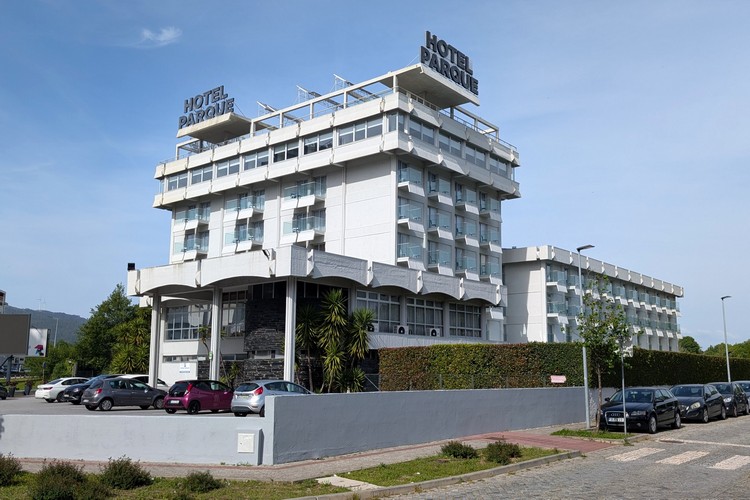
Why I stayed at Hotel do Parque, Viana do Castelo
Originally, I planned to stay at Albergue de Santa Luzia. It’s located beside Sanctuary of the Sacred Heart of Jesus (Santuário do Sagrado Coração de Jesus). This church is stunning! (video here)
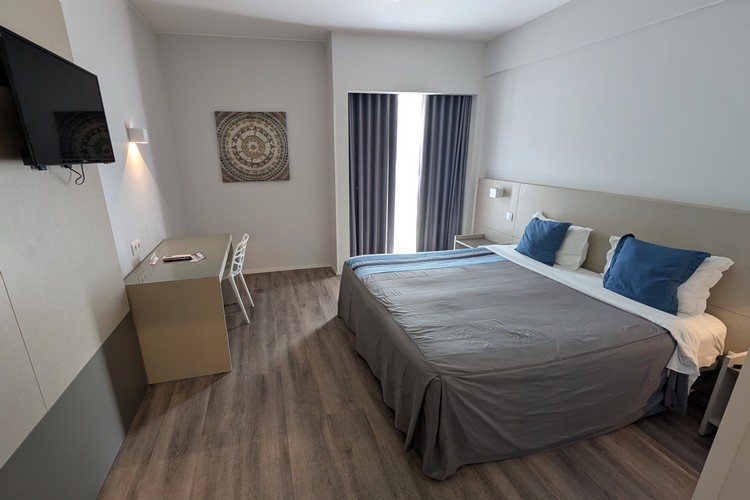
However, I changed my mind when I found this private hotel room for 40 euros.
This hotel was recommended by someone who sent me a message on Instagram (thank you, Jason H!).
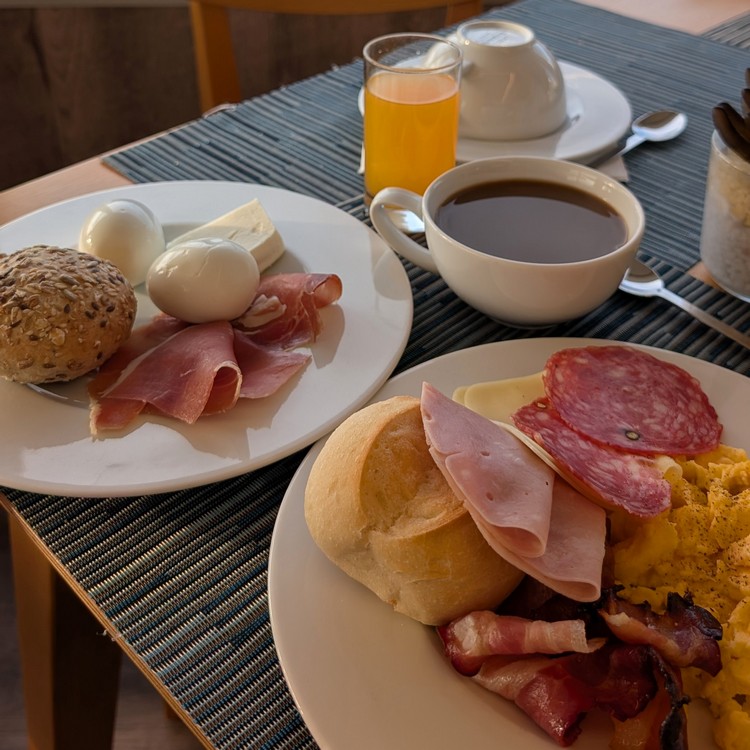
Hotel do Parque has an outdoor pool and I thought the hot breakfast buffet was included with the room price. The albergue price is 30 euros for a shared dorm room bed, so the private room with breakfast for only 10 euros extra seemed like a good deal.
However, I was wrong and the breakfast was not included in 40 euros room price. Regardless, it was still a good deal. I did purchase the breakfast buffet and it was good. I forget the price, but I think it was 10-12 euros.
Watch Day 4 video recaps: Part 1 and Part 2
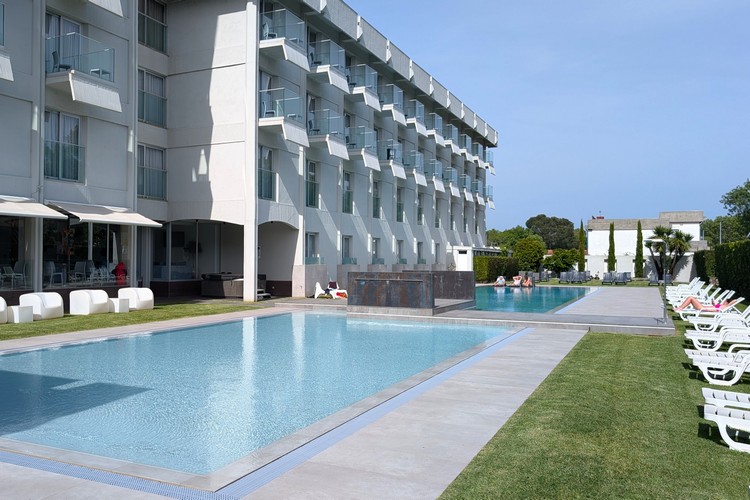
This pool was also very cold during my visit. It felt more like a cold plunge. Keep in mind, I walked the Camino Portuguese in late April.
I believe this pool would be a welcome feature for those walking the Camino in the hot summer months.
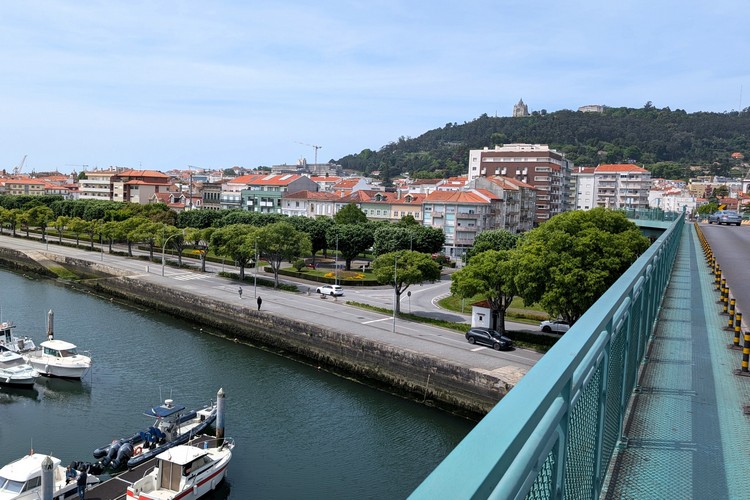
Can you spot the church on the hilltop?
That’s Sanctuary of the Sacred Heart of Jesus. The albergue is located beside the church, on the right side.
As you can see, it’s quite the walk to get from the church/albergue to the city center. There is a path with 660 steps from the city to the church. Keep this in mind if you plan to stay at the top of the hill.
You can also take a funicular (Elevador de Santa Luzia) up and down, depending on the time of day. The funicular was closed during my visit (6:00 pm in April) so I shared an uber with another pilgrim. I forget the cost but I remember it was not expensive.
Watch Day 4 recaps – Part 1 and Part 2
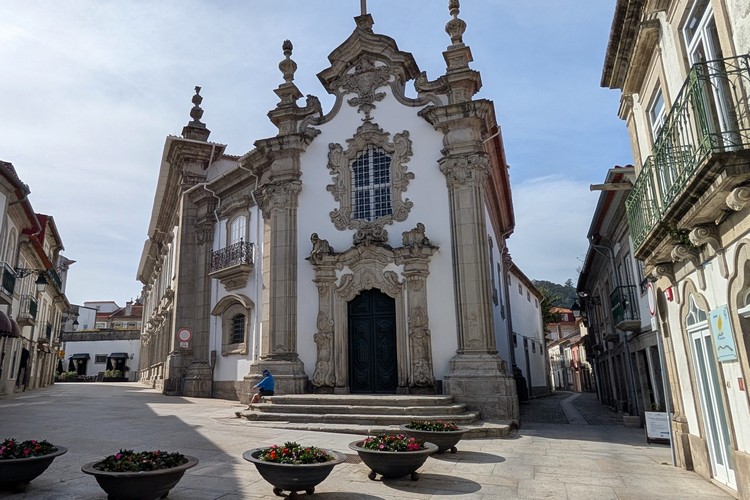
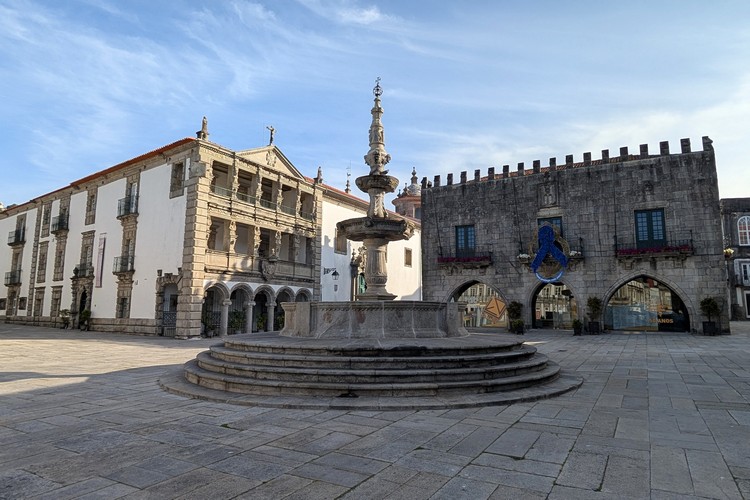
Day 5 – Viana do Castelo to Caminha
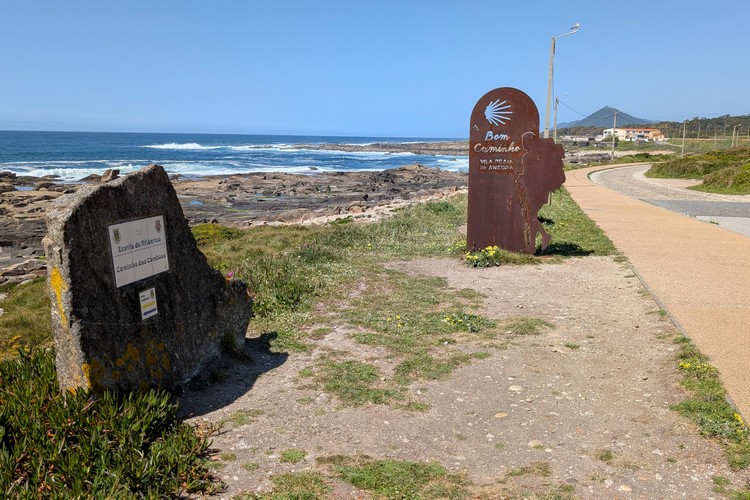
After a big breakfast at Hotel do Parque, I left Viana do Castelo on the Coastal Route (not the Senda Litoral). This section is NOT on the beach. The path is higher up in the hills and passes through forest, towns and villages before rejoining the Litoral Way in Vila Praia de Ancora.
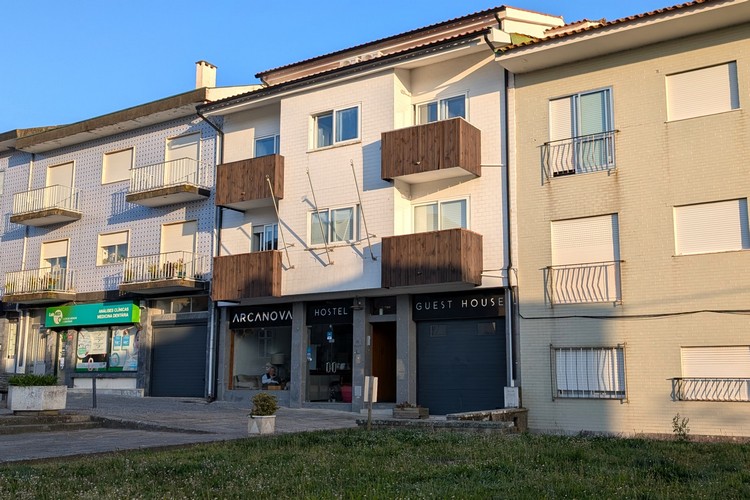
I stayed at Arca Nova Hostel in the town of Caminha.
Why I stayed in Caminha?
My plan is to cross the Minho River from Portugal to Spain, and continue up the coast on the Litoral Way. To do this, you must take a water taxi and/or small ferry from Caminha (Portugal) to A Pasaxe (Spain).
Caminha is the logical stage after staying in Viana do Castelo. It has plenty of options for accommodations and restaurants.
The distance from Viana do Castelo to Caminha is 25 km.
I paid 20 euros for a dorm room bed at Arca Nova Hostel. Breakfast is an additional 6 euros.
The hostel organized the water taxi in the morning. Be ready to go at 7:45 am and wait in the lobby. Someone will arrive with a van to transport pilgrims to the water taxi dock (it’s about 10 minute drive from the hostel).
Day 5 video recaps: Part 1 and Part 2
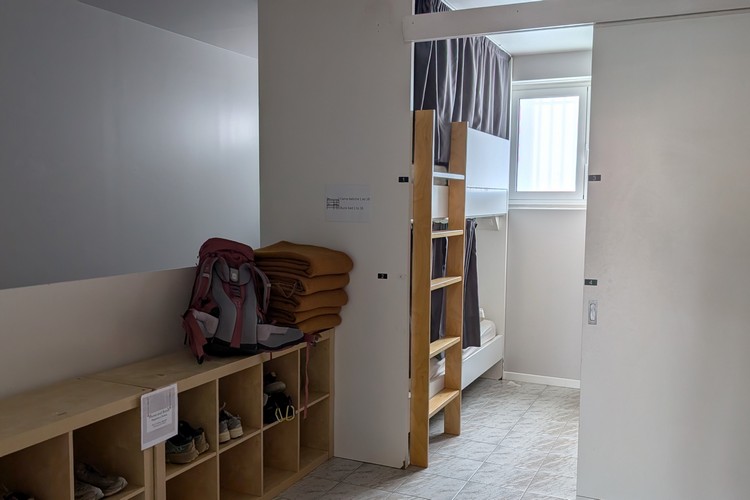
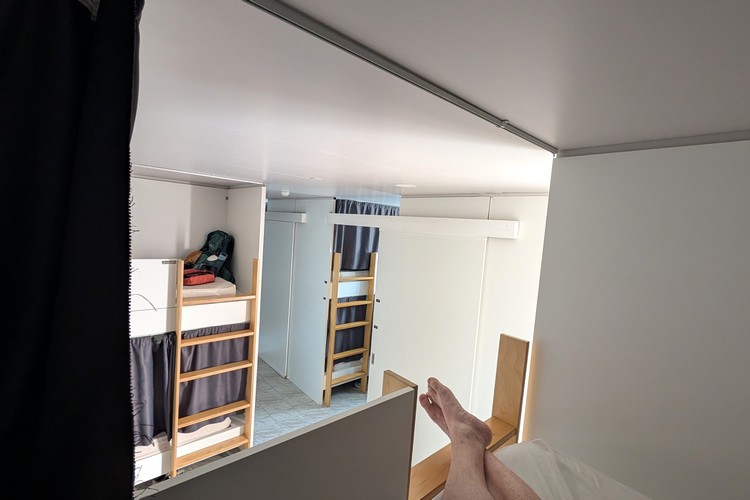
View of the shared dorm room inside Arca Nova Hostel. It also has private rooms available.
The beds are quite large. They are extra wide and long, and feel more like a double size vs twin/single size.
I had a very comfortable sleep here. No issues with loud snoring or noise either. I would recommend this hostel.
Day 5 video recaps: Part 1 & Part 2 (including room tour).
Day 6 – Caminha, Portugal to Viladesuso, Spain
Today I say goodbye to Portugal and hello to Spain.
I hadn’t finished my breakfast at Arca Nova Hostel before I was being swept away in an old beat-up van, along with 7 other blurry-eyed and slightly confused pilgrims.
The hostel organized the water taxi transfer. The owner said to be ready at 7:45 at the front of the hostel. Nothing was formally organized, reserved or paid in advance. I get the feeling this is a daily routine – just be ready in the morning and they will get you to the boat.
The van arrives at the dock 10 minutes later. It’s located just outside the town of Caminha.
We each paid 6 euros and then boarded the small water taxi. It takes less than 15 minutes to get from Caminha (Portugal) to A Pasaxe (Spain). Watch the video here.
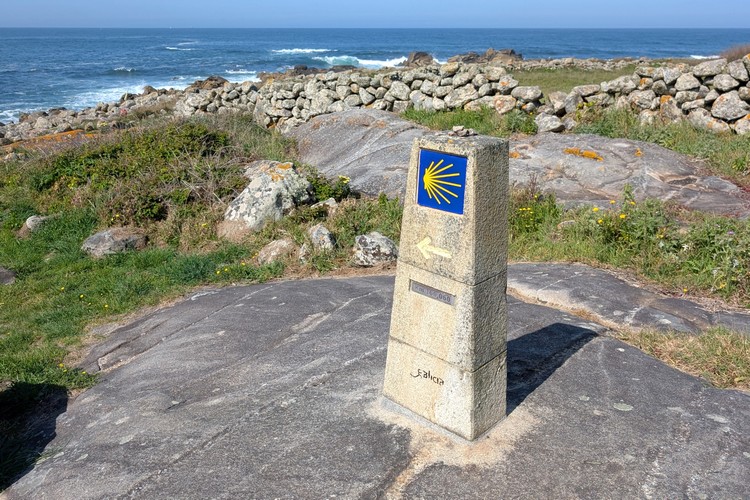
I walked 26 km along the coast and spent the night at Hotel Costa Verde in Viladesuso.
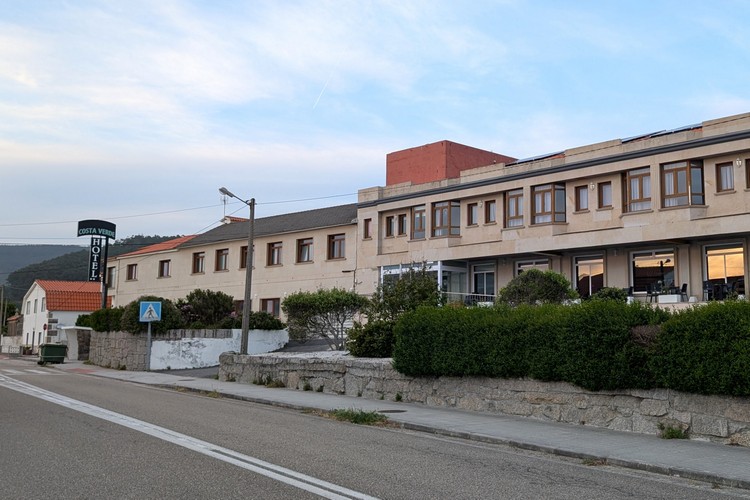
Why I stayed in Viladesuso
You have several options in the section between Oia and Baiona. The thing to keep in mind is how much distance you want to walk the following day. This will help inform your decision.
Originally, I planned to stay at Alojamiento Camino Portugues Oia. A couple of pilgrims I met the previous night at Arca Nova Hostel were staying there.
However, I changed my mind the night before and booked a private hotel room at Hotel Costa Verde. I like to rotate between dorm bed and private room, to catch up on sleep.
With the gift of hindsight, I don’t know if this was the correct decision. I was tired when I made the booking. It was probably impulsive and unnecessary.
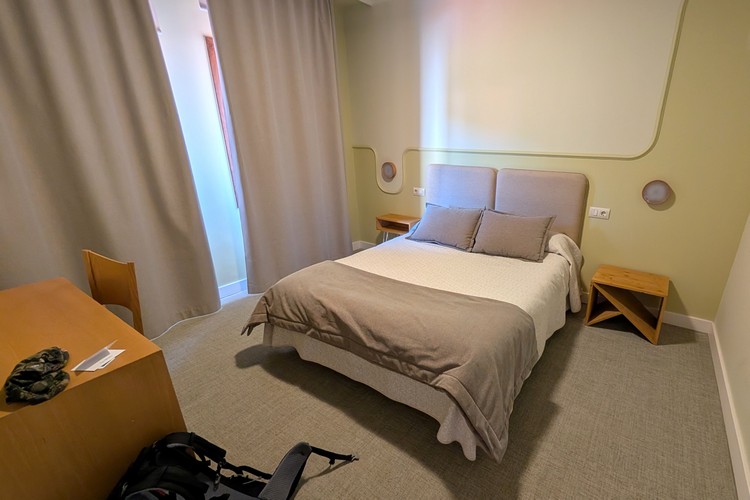
I paid 59 euros for a private room. It’s the most expensive room so far on my Camino.
That said, I did enjoy my stay at Hotel Costa Verde. The bed is very comfortable. It was the best sleep I had on the entire Camino.
Day 6 video recaps: Part 1 and Part 2 (including room tour).
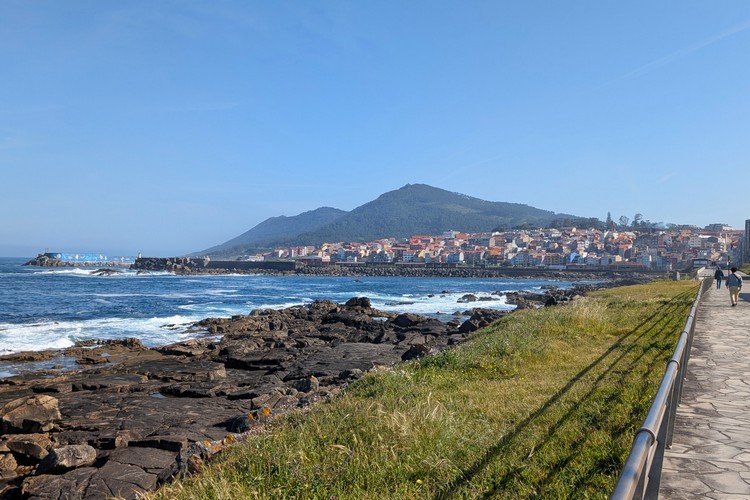
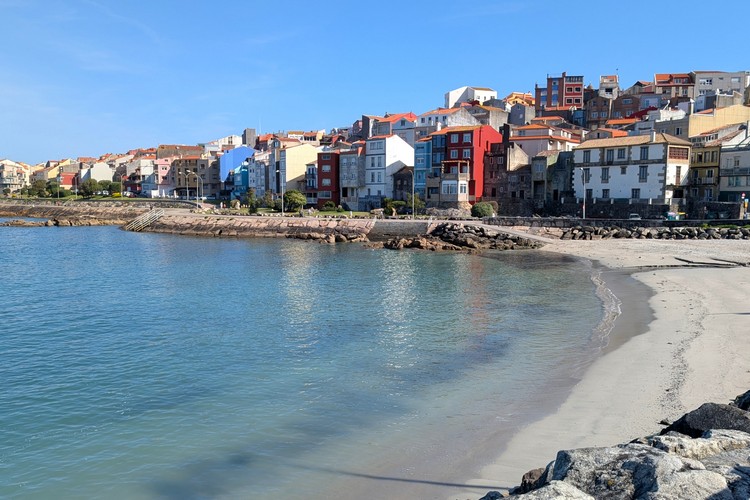
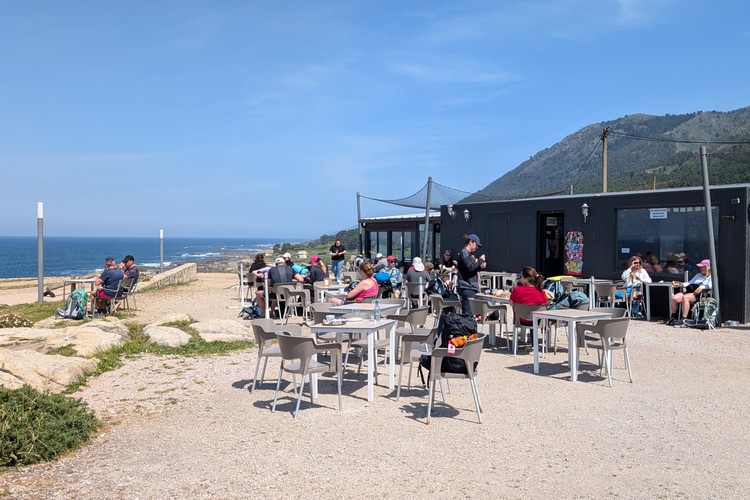
Explanada do Horizonte is a popular rest stop on the Camino Portuguese Coastal Route.
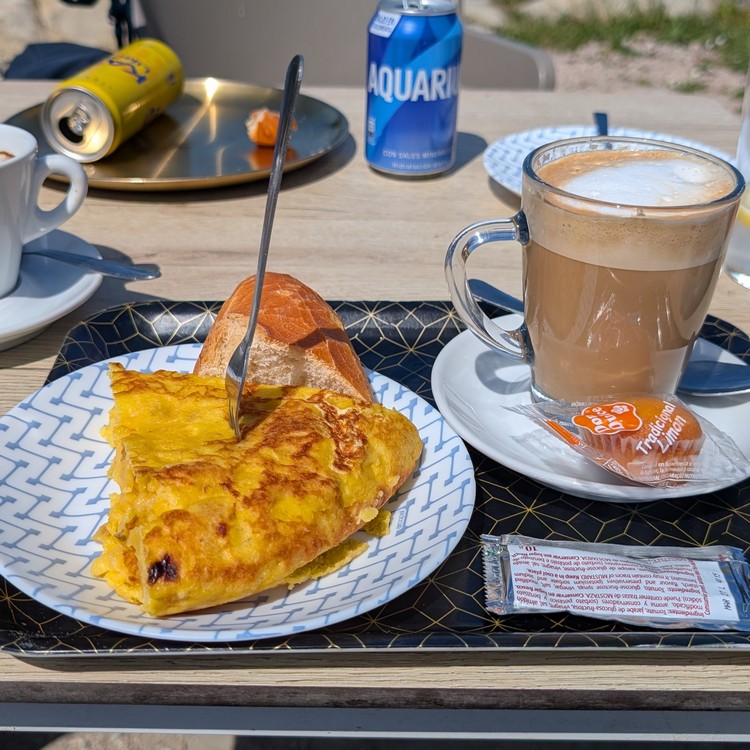
There aren’t a lot of cafes and bars in this section, so it’s best to stop here to refuel.
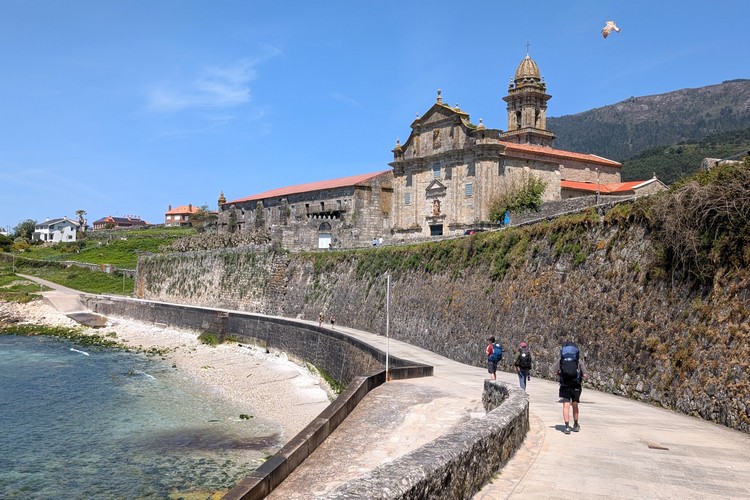
Approaching the iconic Royal Monastery of Santa María de Oia (Real Mosteiro de Santa María de Oia), a 12th-century Cistercian monastery strategically positioned on the Atlantic coast.
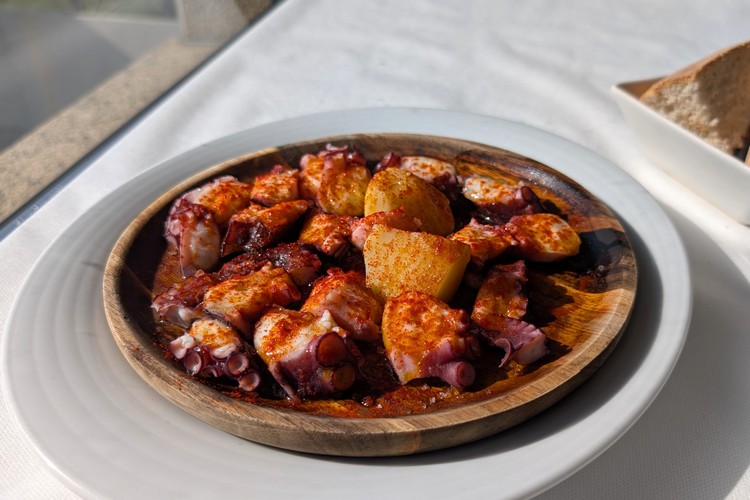
Pulpo a la Gallega at Restaurante Lorena in Viladesuso.
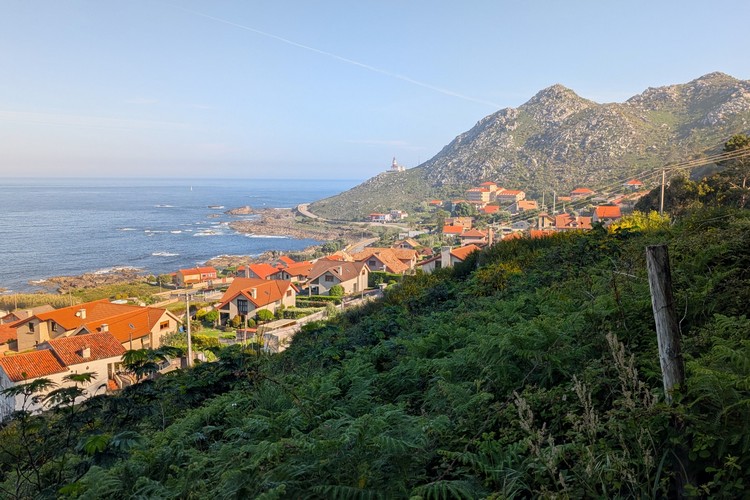
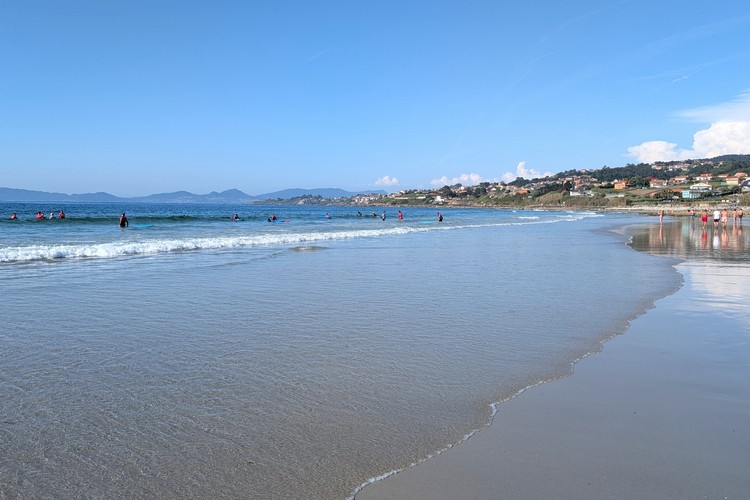
Day 7 – Viladesuso to Patos Beach, Nigrán
I started late because of the 1 hour time zone change from Portugal to Spain. My body said 7:00 AM but it was actually 8:00 AM.
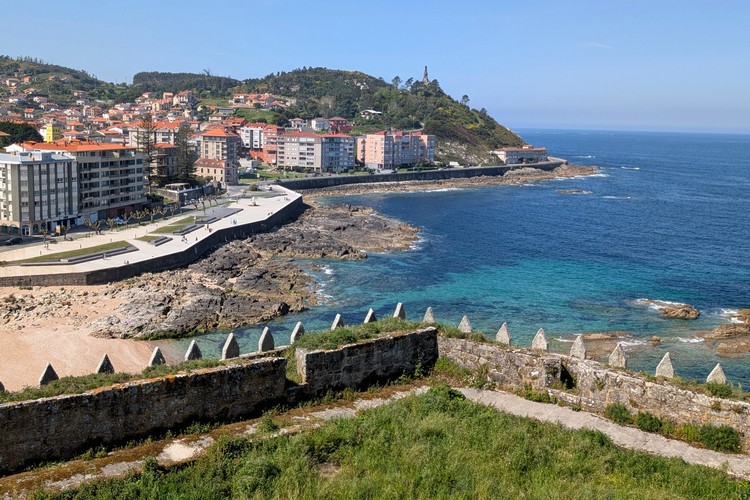
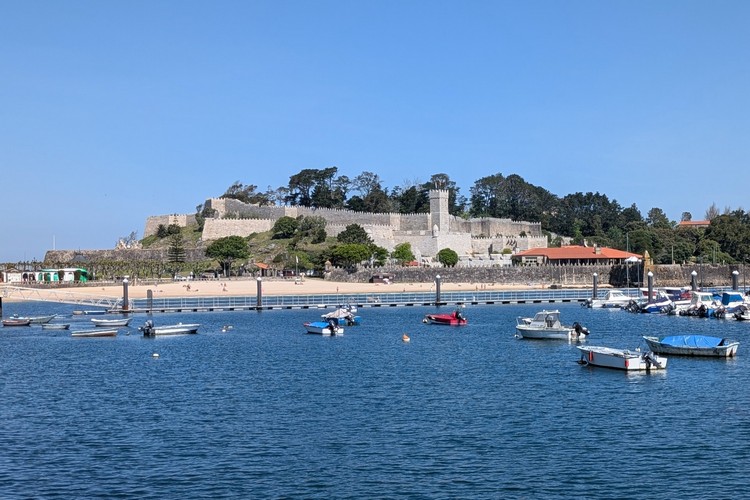
The plan for the morning is to walk from Viladesuso to Baiona and explore the impressive Castelo de Monterreal. See the views from the castle here.
From Baiona, I continue my walk to Patos Beach in Nigrán.
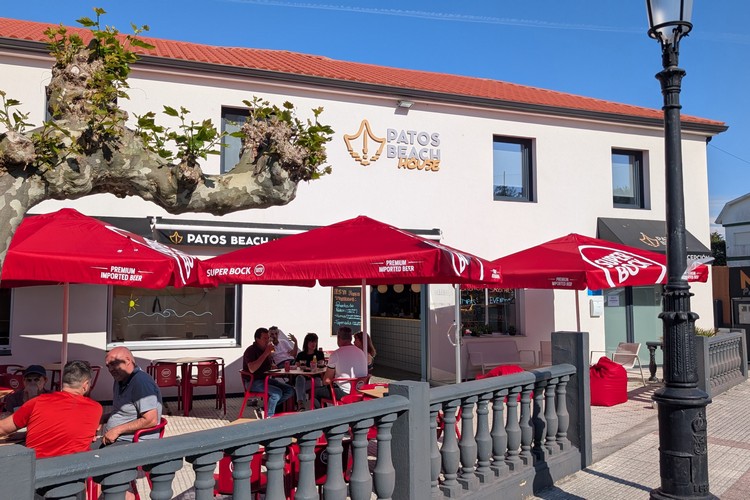
I walked 25 km that day and stayed at Patos Beach House.
Why I stayed here?
My sweet spot for walking is about 25 km per day. Walking less than 20 km feels too light and not challenging enough, but walking 30+ km is when my body starts breaking down.
Therefore, I decided to stay somewhere between Viladesuso and Vigo. Patos Beach looked like an ideal place to spend the evening.
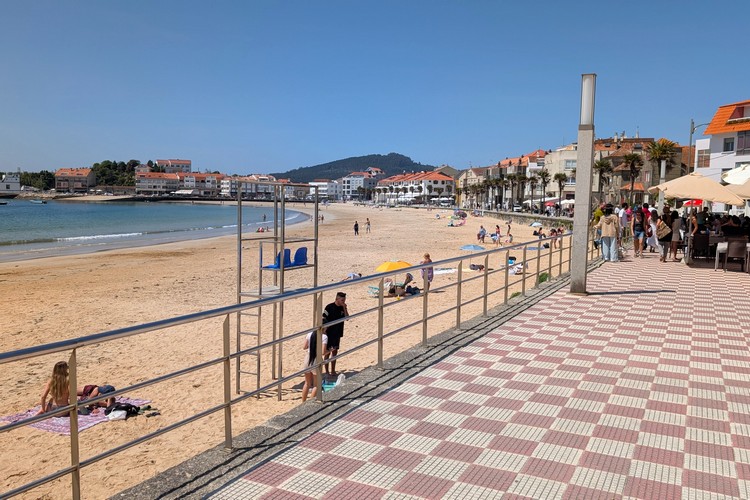
Patos Beach House is perfectly situated close to the beach and restaurants, so it was a good choice.
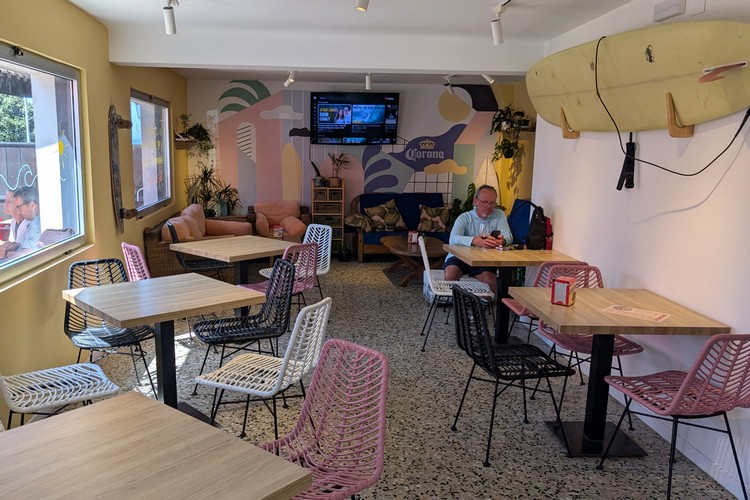
I paid 46 euros for a small private room. It was a nice mix of comfort while still having the social atmosphere of the hostel.
Day 7 video recaps: Part 1 and Part 2
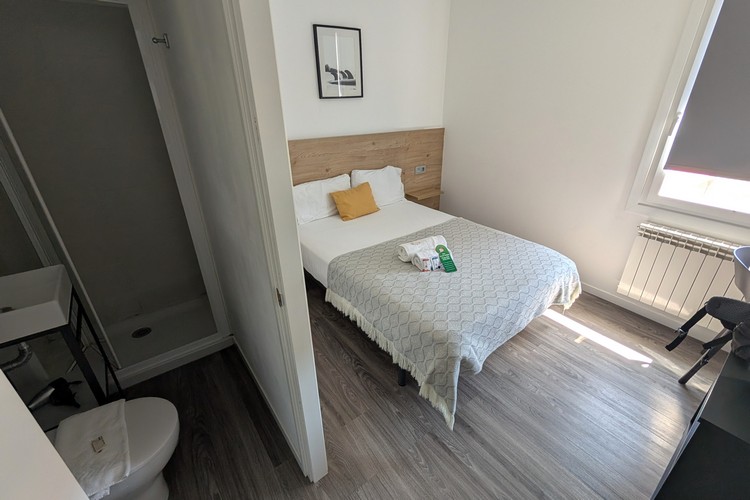
View of my private room at Patos Beach House. It’s small, clean and comfortable.
I had a good sleep here and would recommend it.
Day 7 video recaps: Part 1 and Part 2
Day 8 – Patos Beach to Chapela (Vigo)
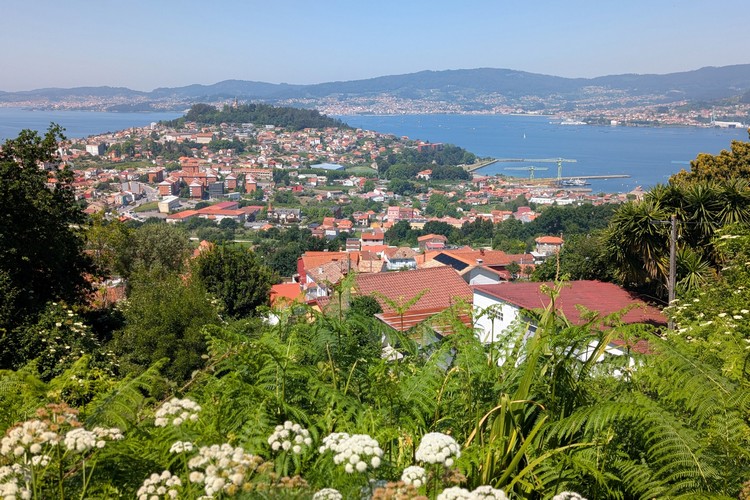
This stage of my Camino is somewhat confusing, so let me give you some context first.
My plan is to walk the Spiritual Variant after Pontevedra. Because I have a fixed schedule with only 15 days total for my trip (including time in Santiago and Porto), if I want to complete the Spiritual Variant I need to walk from Patos Beach to Pontevedra in two days.
Common stages here are: (1) Nigran (Patos Beach) to Vigo, then (2) Vigo to Rendondela, then (3) Redondela to Pontevedra (3 days/2 nights). I believe the distance is about 60 km.
However, I need to walk this distance in 2 days in order to stay on schedule.
Therefore, I decided to stay halfway between Vigo and Redondela. This would result in 2 days of approx. 28-30 km of walking, which would allow me to reach Pontevedra on schedule without having to walk a 35 km day.
Why I stayed in Chapela?
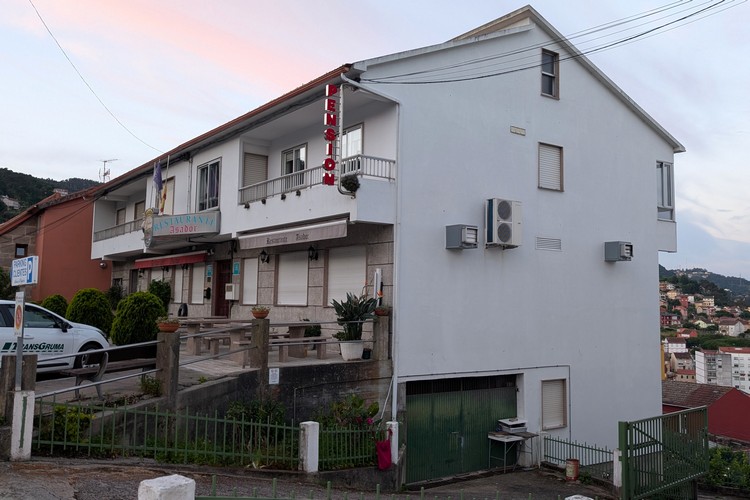
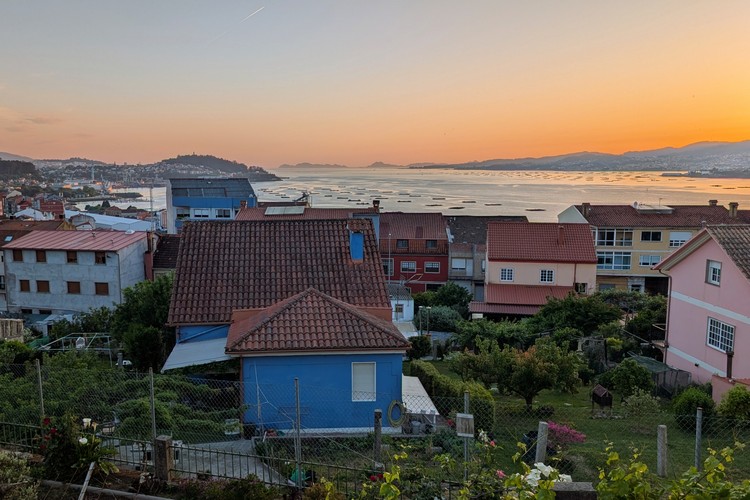
Unfortunately, there aren’t a lot of options for accommodations here. I found a roadside hostel in the town of Chapela, located about 8 km from central Vigo. Here’s the location on Google maps.
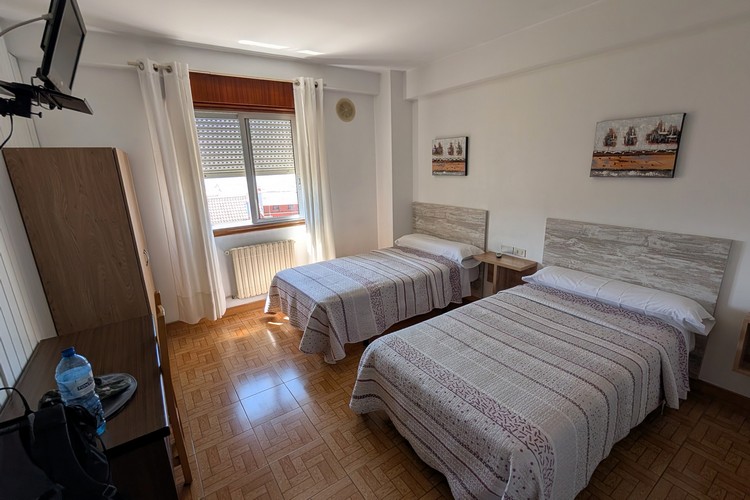
I stayed at Hostal Bahía de Chapela and paid 65 euros for a private room.
It was a comfortable stay and the hotel restaurant has a delicious set menu. However, I don’t think I made the right decision by staying in Chapela. The hostel is fine and I would recommend it if you plan to follow a similar path, but I just don’t think it was necessary to stay here.
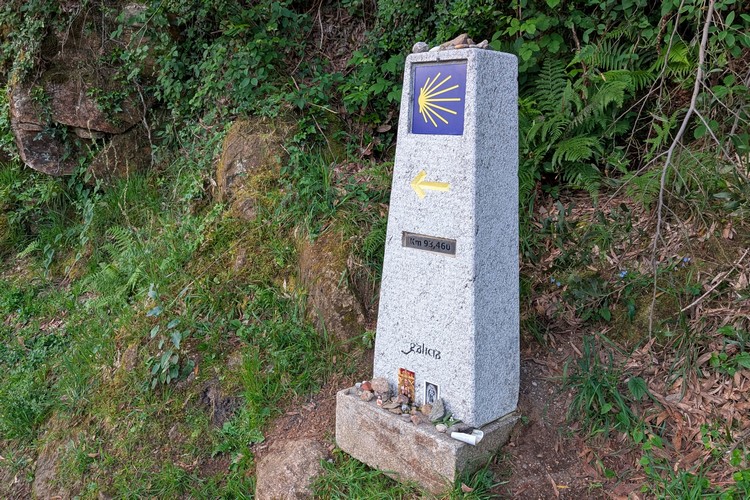
The Camino path takes you up a big hill when you leave Vigo. This hostel is located at the bottom of the hill, directly beside the highway. So I had to navigate my way down the hill and under the highway to get to the hostel. This added 1.5 km of walking. There are no markers here. You need Google maps.
My decision was based on avoiding a long 35 km day from Patos Beach to Redondela.
However, after walking the 5 km section from Chapela to Redondela the following morning, I think it would have been better to push through and stay in Redondela. This section is mostly flat and it passes through a nice forest.
Now, if 35 km is too long for you, this option of staying in Chapela to break up the section might make sense. But if you have no time constraints, I would probably stay in Vigo and walk to Rendodela instead (over two days, instead of one).
Watch Day 8 video recaps: Part 1 & Part 2
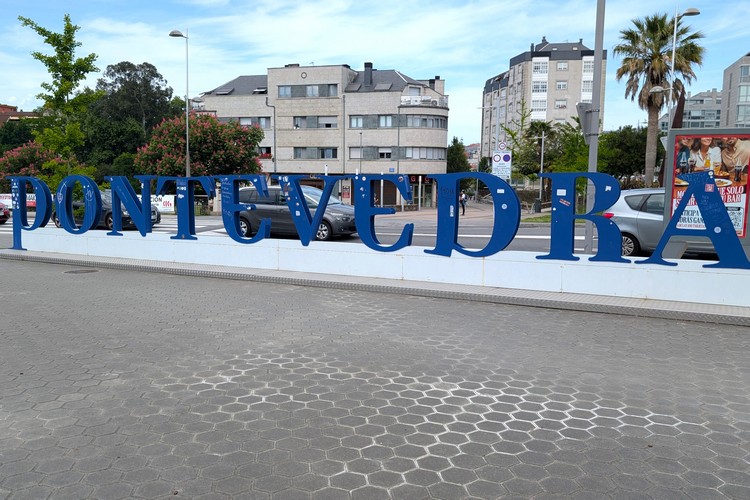
Day 9 – Chapela (Vigo) to Pontevedra
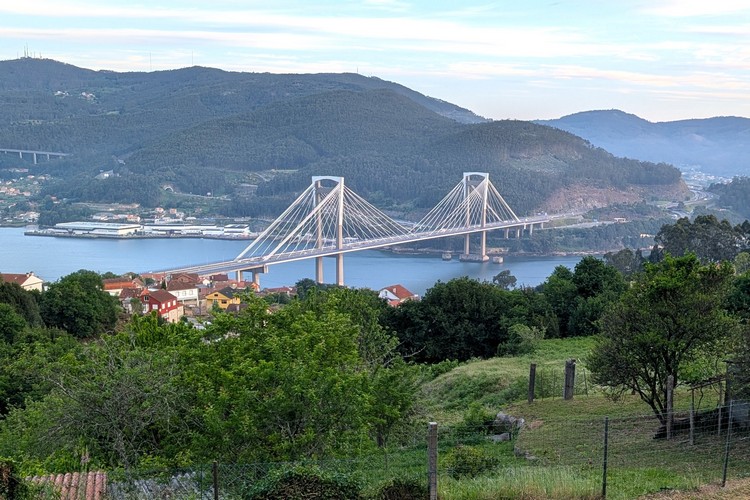
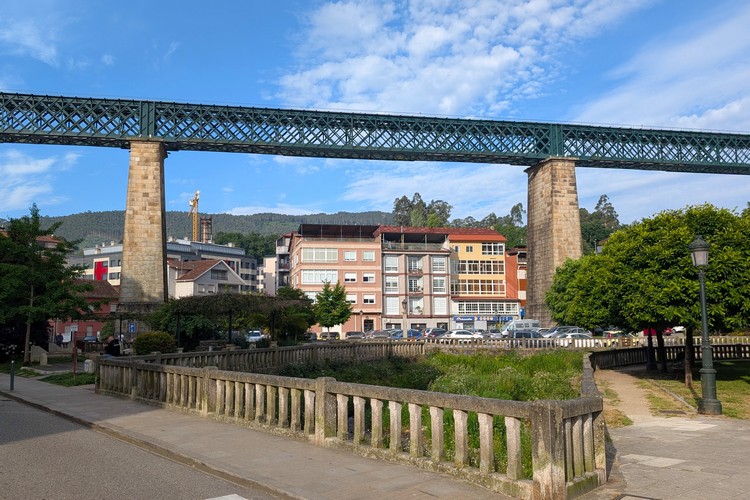
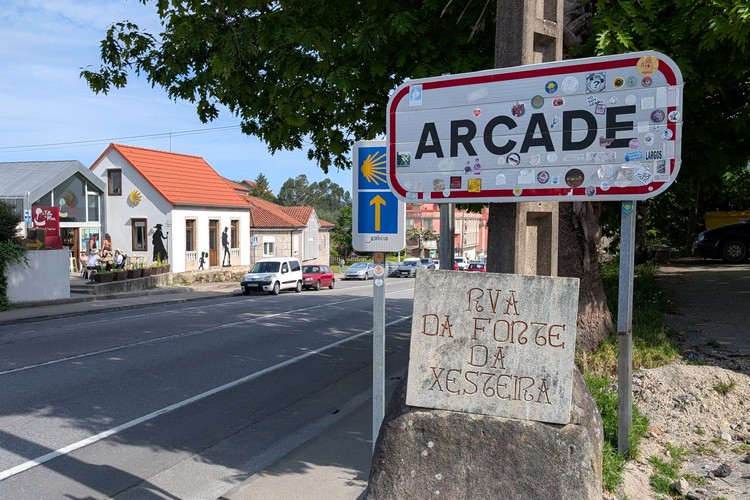
This is a nice section on the Camino Portuguese, especially crossing the historic Puente Sampayo Bridge in Arcade. I walked about 30 km this day, when you include the detour from the previous night in Chapela (Vigo suburbs).
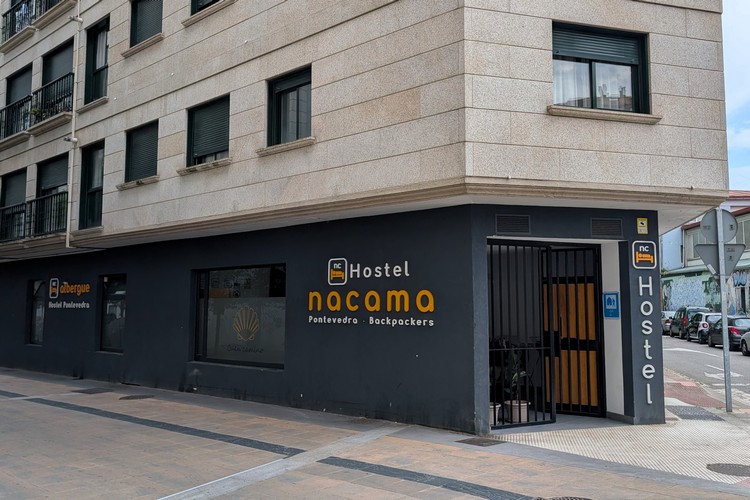
I stayed at Albergue Nacama Hostel Pontevedra and paid 23 euros for a dorm bed.
Why I stayed here?
Pontevedra is a popular stop on the Portuguese Camino. The Coastal and Central routes pass through this city, making it a logical place to spend the night.
I chose Albergue Nacama Hostel Pontevedra because I was able to easily book online via the Booking.com app. It’s centrally located close to restaurants and amenities, and it’s good value.
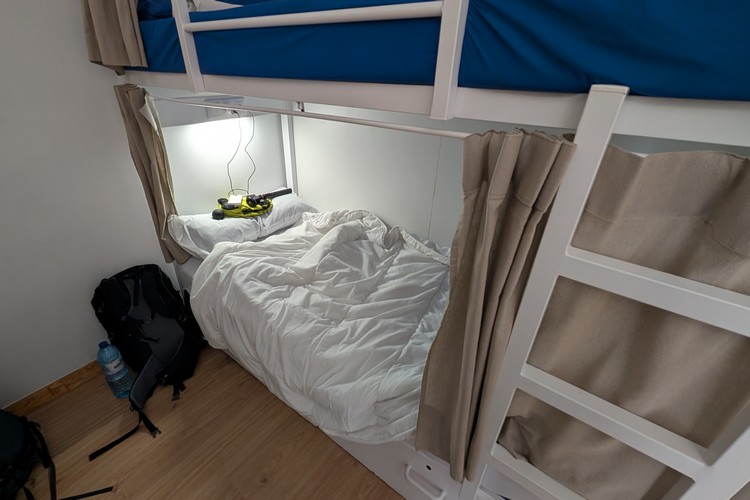
When I arrived at the albergue they had already assigned the beds. I believe the dorm room has 40 beds. It’s nicely spread out with curtains to create some privacy and reduce noise (see the layout of the dorm room in this video).
This hostel was at full capacity during my stay (late April). While some pilgrims choose to not book accommodations ahead of time, I think it’s wise to make a reservation if you plan to stay here. I witnessed several pilgrims being turned away because the hostel was full.
I would recommend this hostel. It’s clean, organized, good value and good location.
Day 9 video recaps: Part 1 & Part 2
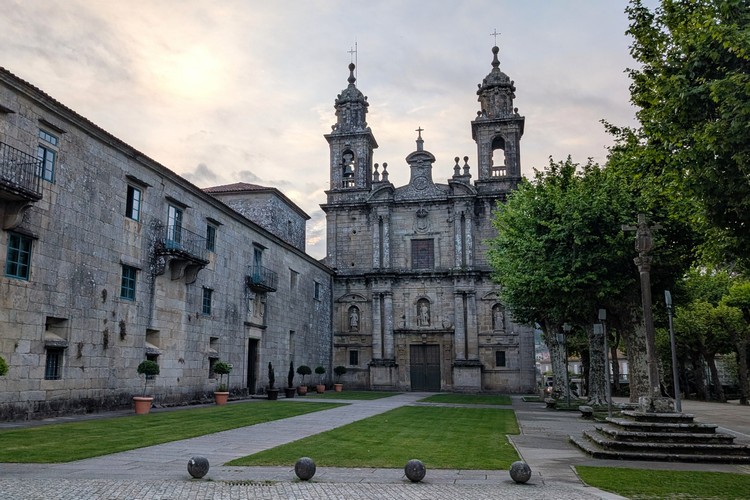
Day 10 – Pontevedra to to Barrantes (Spiritual Variant)
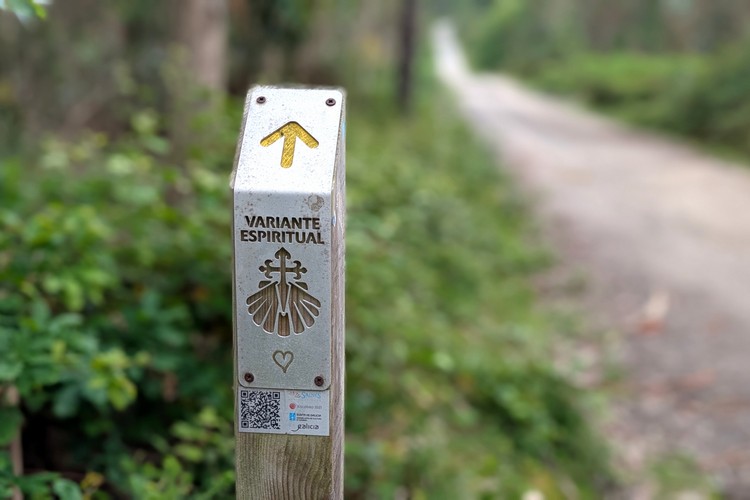
Today I leave the Camino Portuguese Coastal Route and start the Spiritual Variant.
I left the hostel in Pontevedra at 6:00 am. While my bed was comfortable, the person above me was a disaster. He would violently toss and turn every 15 minutes, shaking the bed as he bounced around. He was also a loud snorer and he talked in his sleep. Needless to say, I did not sleep well.
So I decided to get up and go. This is one of the things I love about the Camino. The freedom to start walking whenever you want.
I took a short cut and crossed Ponte da Barca instead of the normal Camino route across the famous Burgo Bridge (Puente del Burgo). It was still dark outside and there was very little traffic, so I chose this shorter distance.
Basically, instead of walking north after Pontevedra and then turning west near A Cendona, I started walking west and joined the official trail at Mosteiro de San Xoán de Poio. I’m not sure exactly how many kilometres I saved but my guess is about 4-5 km.
This section before the monastery is not pretty and it’s on the side of a highway. It was fine in the early morning, but it’s probably not a good idea during the day.
Common stops between Pontevedra and Vilanova de Arousa are at Combarro (11 km), A Armenteira (21 km) or Barrantes / Ribadumia (30-32 km). There is a 400 meter hill climb after Combarro, so keep that in mind when planning.
I decided to stay in Barrantes because there are more options for accommodations and restaurants (when compared to A Armenteira).
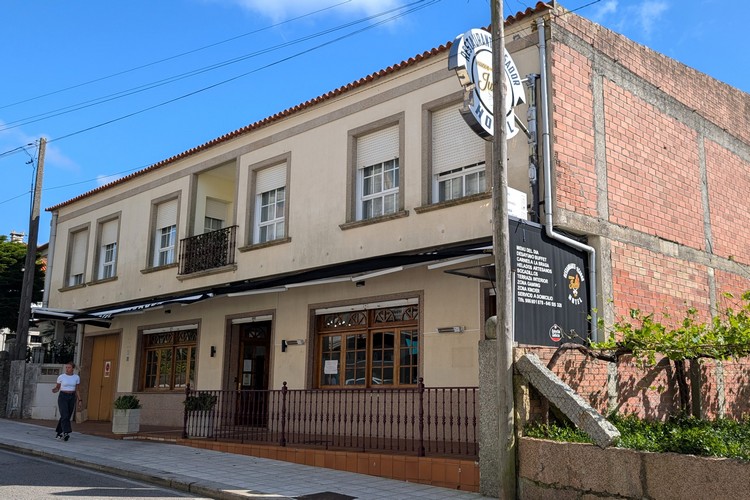
I stayed at Hotel Neuvo Julios in Barrantes.
Why I stayed in Barrantes?
Because I took the short cut out of Pontevedra, the distance was about 28 km from Albergue Nacama Hostel (Pontevedra) to Hotel Neuvo Julios (Barrantes). If I did not take the short cut, I probably would have stayed in A Armenteira.
Originally my plan was to stay at Albergue Camino Espiritual. However, after my poor sleep the night before, I decided to get a private room instead.
Also, because I covered a lot of distance, the following day was only 18 km, which meant I could start late and have a lazy morning.
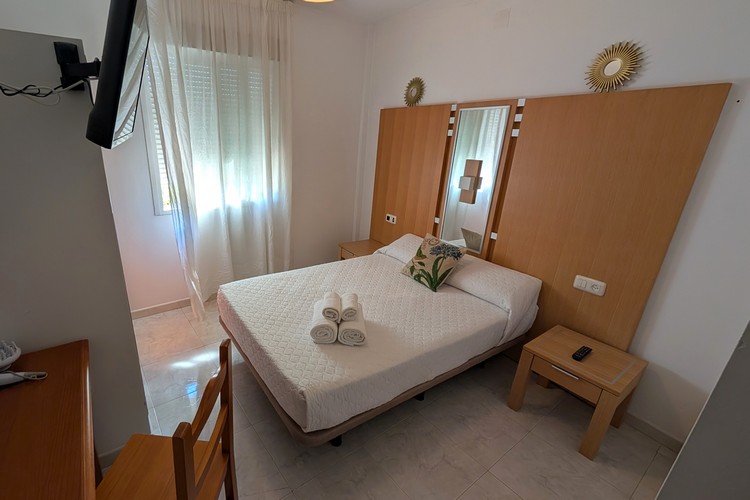
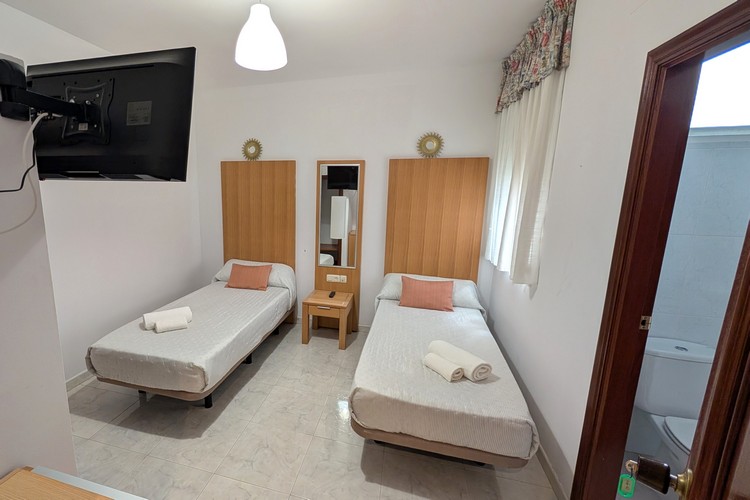
I paid 50 euros for a private room at Hotel Neuvo Julios.
When I arrived at the hotel there was nobody at reception. In fact, there was nobody at the hotel. I was sent an access code (via the Booking.com app) for the front door. The keys for each room are left in the door lock. It’s an efficient process, but it felt strange being alone in the hotel.
The rooms are nice and clean. I had a comfortable stay here and would recommend it.
Day 10 video recaps: Part 1 , Part 2 & Part 3 (including room tour)
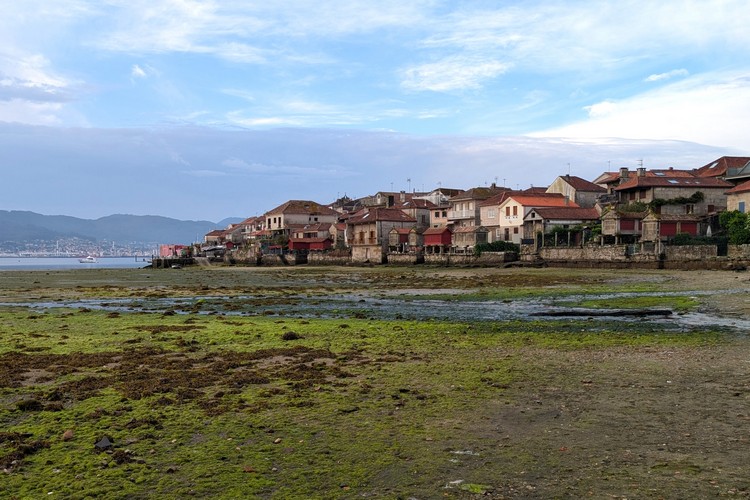
Approaching the town of Combarro at low tide. The Camino trail hugs the coastline in this section.
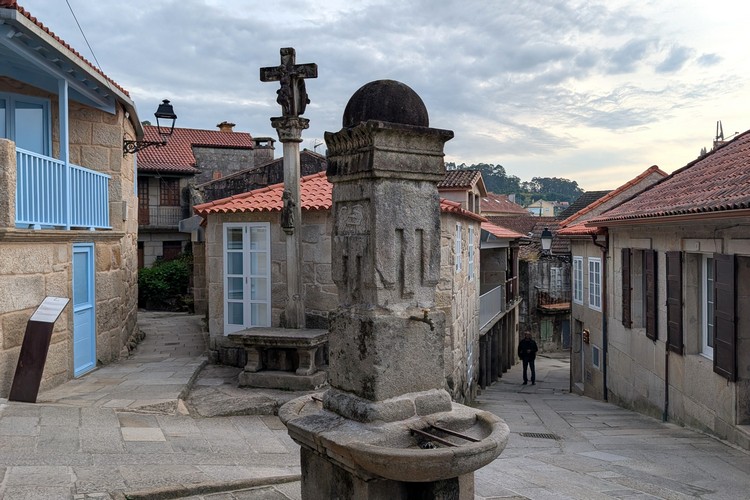
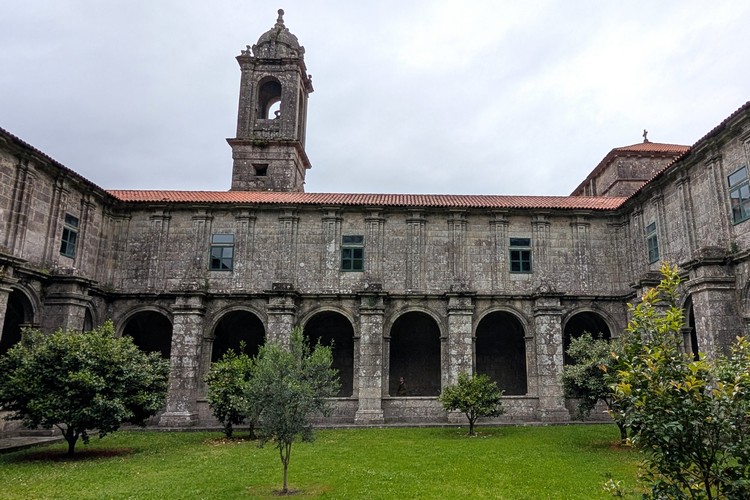
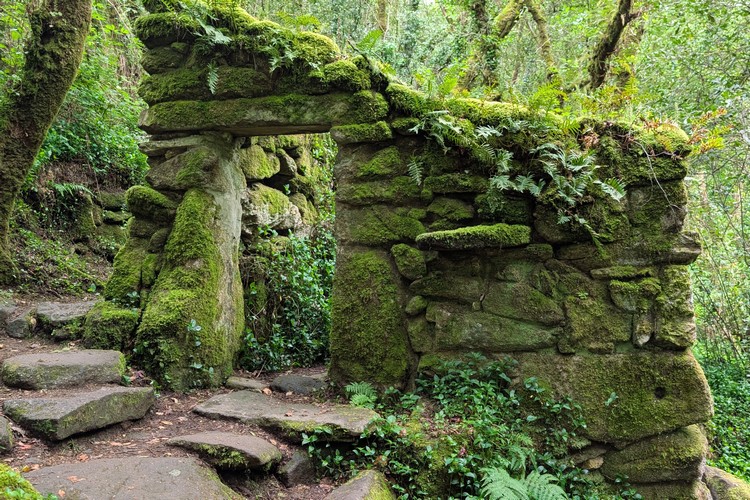
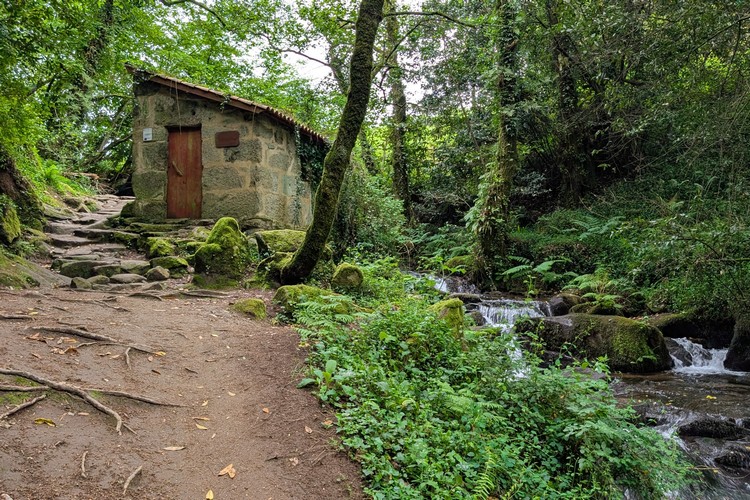
This is my favourite part of the Spiritual Variant on the Camino Portuguese.
It’s called Ruta da Pedra e da Auga (The Route of Stone and Water) and it begins shortly after passing the Monastery of Armenteira.
It feels like a magical land where fairy tales come to life. The path runs parallel to the Armenteira River, so it’s very lush and green here. And it’s full of old stone ruins that have been reclaimed by nature.
Day 11 – Barrantes to Vilanova de Arousa (Spiritual Variant)
Today is the shortest distance walked on my Camino. It’s only 18.5 km from Barrantes to Vilanova de Arousa.
Therefore, I decided to enjoy my private hotel room and sleep in. It was nice to have a slow morning. I enjoyed a delicious breakfast at Café Che before starting my walk.
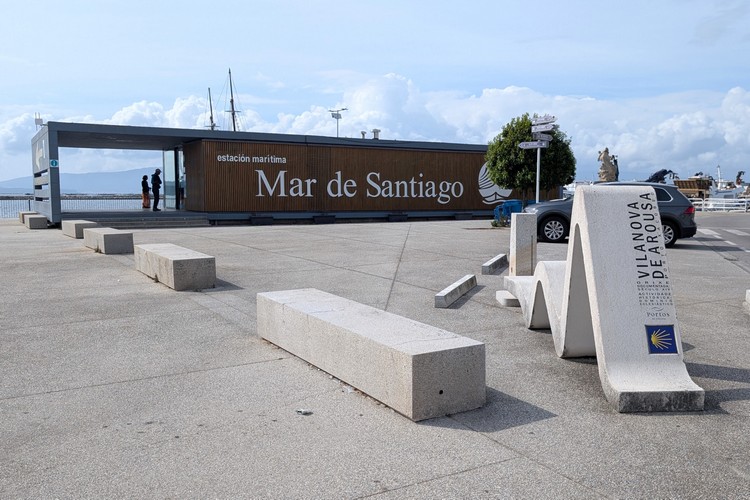
I arrived at Vilanova de Arousa around 1:00 pm and rejoined my Camino friends at Mesón O Timón. This restaurant is located in front of the marina where you catch the Spiritual Variant boat from Vilanova to Pontecesures (Padron).
My Camino friends took the 1:30 pm boat instead of the typical morning departure. I did not know this was an option, otherwise I probably would have done the same.
I stayed at Hotel Bradomin in Vilanova de Arousa.
Why I stayed here?
Vilanova de Arousa is a fairly big town so you have a lot of options for accommodations and restaurants. This is where you take the boat on the Spiritual Variant, so it’s a logical place to spend the night.
I did the 7:00 am boat departure time. This meant that I had to leave the hotel by no later than 6:30 am.
I paid 46 euros for a private room at Hotel Bradomin.
Day 11 video recaps: Part 1 & Part 2
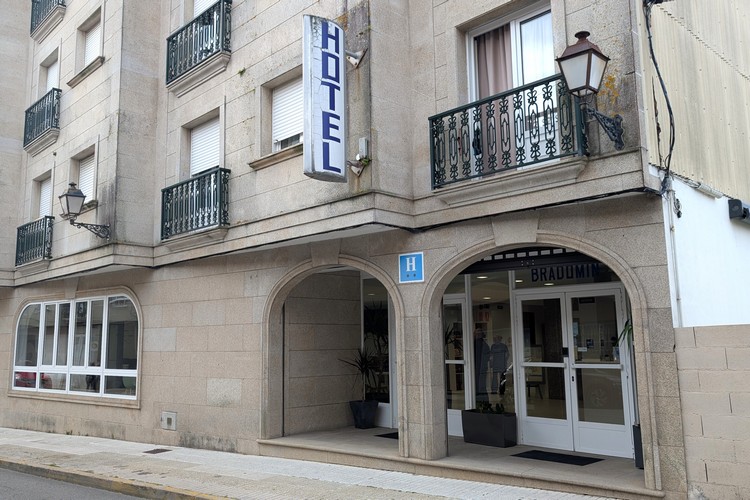
I must have forgotten to take a photo of the hotel room.
Here’s a video with a room tour at Hotel Bradomin (skip to the end).
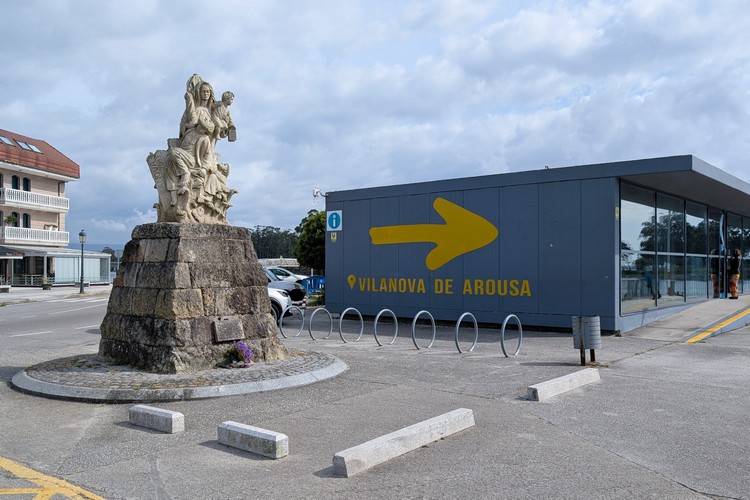
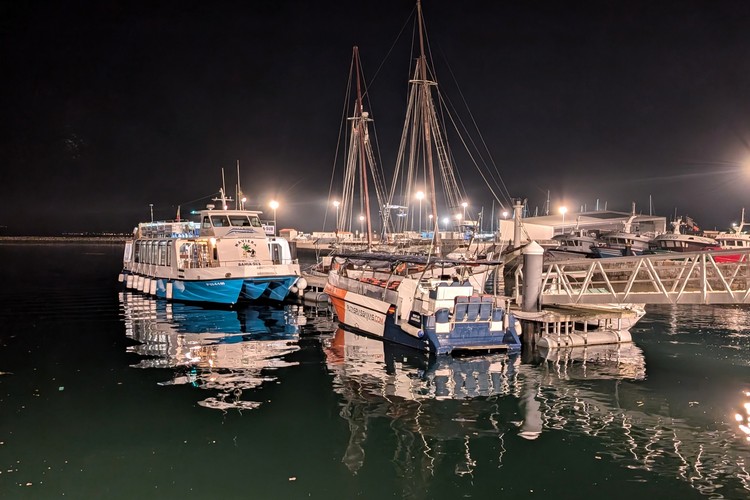
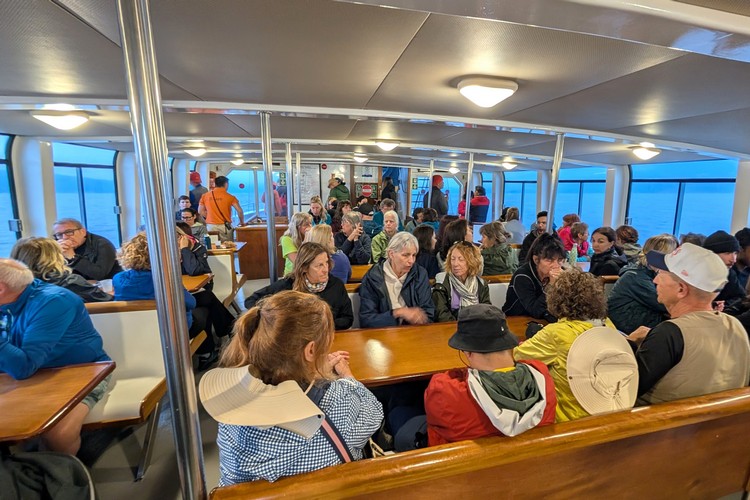
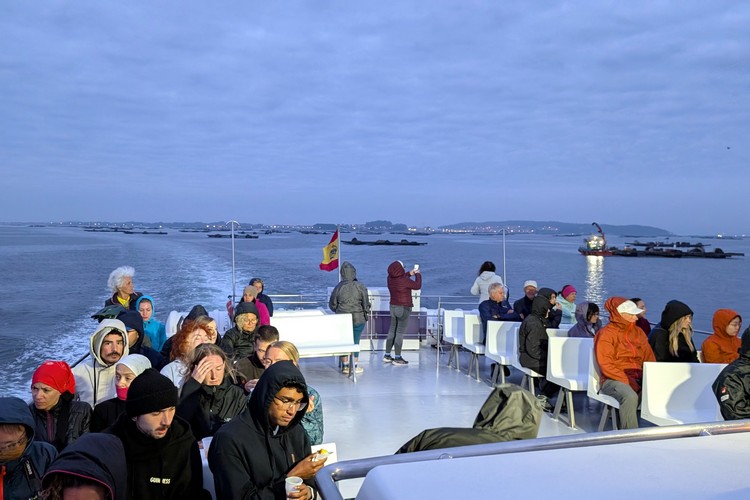
There are two companies that transport pilgrims on the Spiritual Variant. They are often referred as the “big boat” or “small boat”.
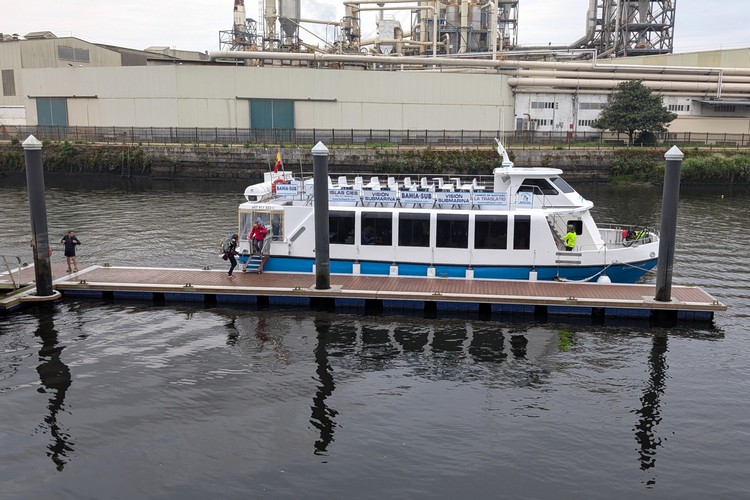
I took the big boat with La Barca del Peregrino. See photos below.
It’s wise to make your reservation ahead of time. I booked 2 days before departure time and there were only a couple spots left.
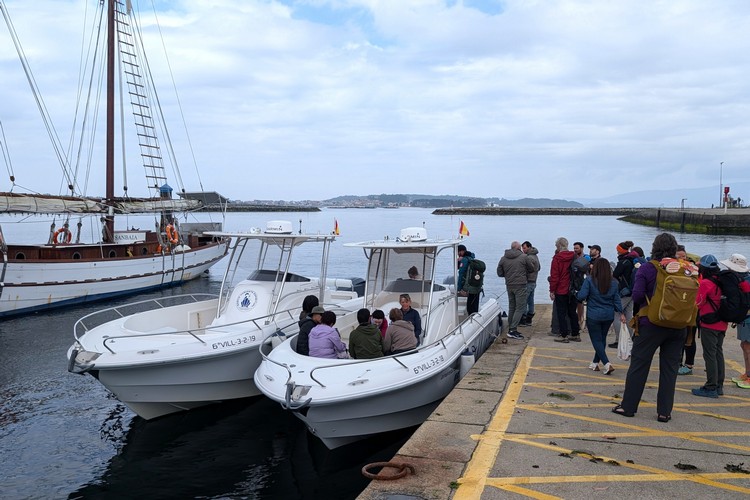
Above is a photo of the small boats. These two boats departed at 1:30 pm.
Both boats were full, so it’s important to make reservations ahead of time.
I’ve had a lot of questions about this 1:30 pm departure time. I did not use this company or depart at that time, so I don’t have further info beyond what you will find on the internet.
However, I can confirm (with photo evidence above!) that there is a 1:30 pm departure time.
Day 11 video recaps: Part 1 & Part 2
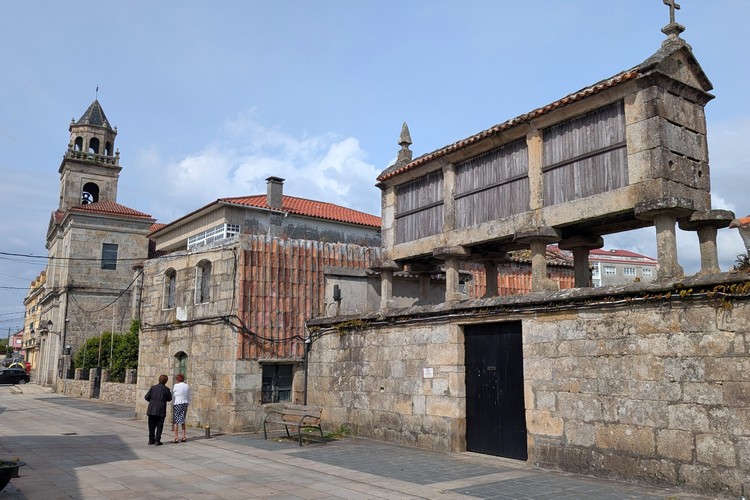
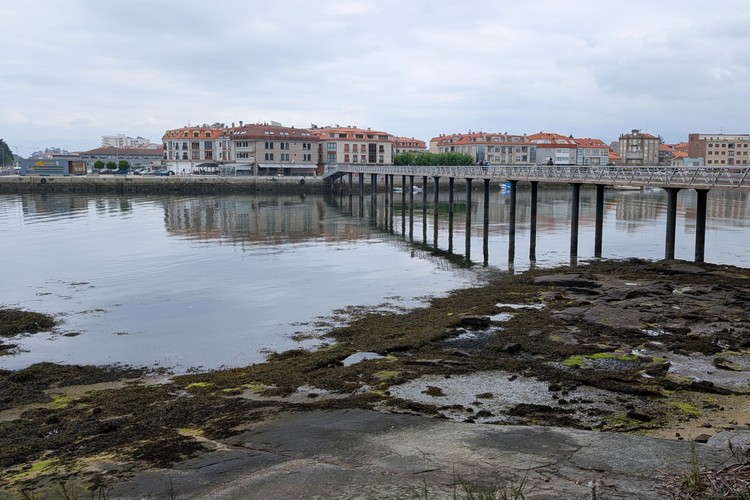
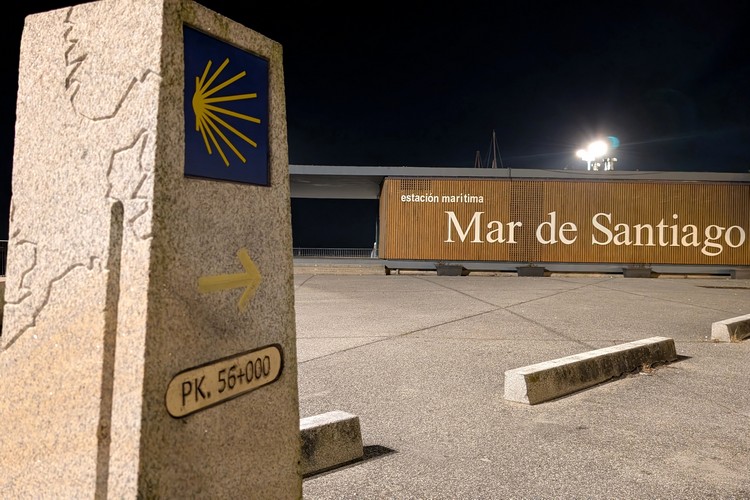
Day 12 – Vilanova de Arousa (Spiritual Variant) to Santiago de Compostella
Today is my final day on the Camino Portuguese! I took the early boat departure at 7:00 am.
I sailed on the “big boat” with La Barca del Peregrino. More info here.
The boat took about 2 hours. I walked from the boat dock in Pontecesures to Padron (about 2 km) and joined the Camino Portuguese Central route.
Many pilgrims will choose to break this section into two. It’s over 28 km from Pontecesures to Santiago de Compostela, and you’ll start walking at around 9:00 am because of the boat trip (which is a late start for a 28 km day).
Why I walked straight to Santiago de Compostela
There are a few reasons why I decided to walk from Pontecesures to Santiago instead of breaking this section into two stages.
First, it was supposed to rain the following morning. This meant that my final steps to Santiago de Compostela would be wet. If I could avoid this, that made sense to me.
Second, I prefer to walk at least 20 km per day. The logical places to break up the stage would mean that I had two short days with a lot of extra time at the hotel or albergue. I wasn’t interested in long periods at a hostel.
Third, the food. There are so many great restaurants in Santiago de Compostela. I felt like it was worth it to have a long and challenging day because I would be rewarded with tapas, pinchos and vino tinto.
Finally, extra time in Santiago de Compostela. I love this city. So it was an easy decision to spend an extra night here vs staying in a small town in the suburbs of Santiago.
Watch Day 12 video recaps: Part 1, Part 2 , Part 3 and Part 4
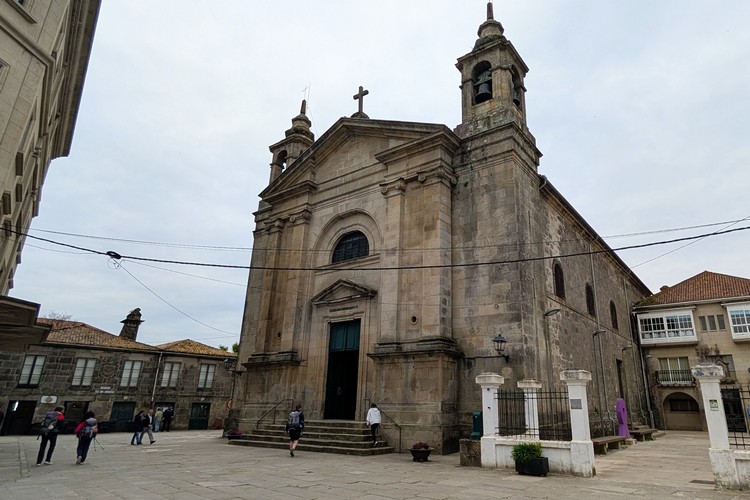
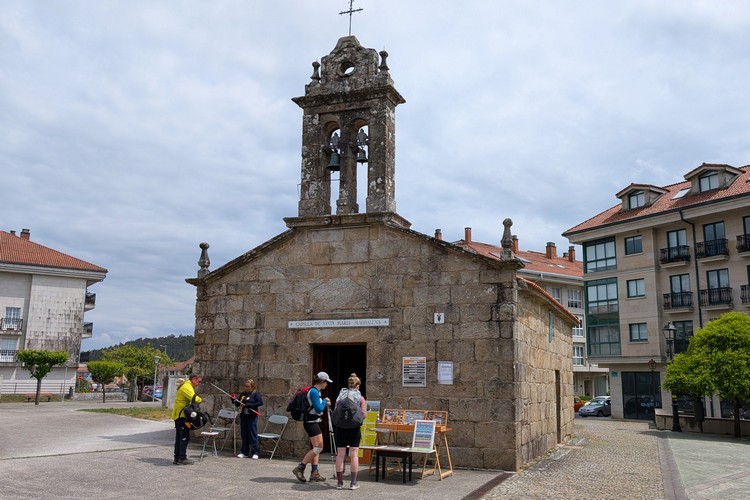
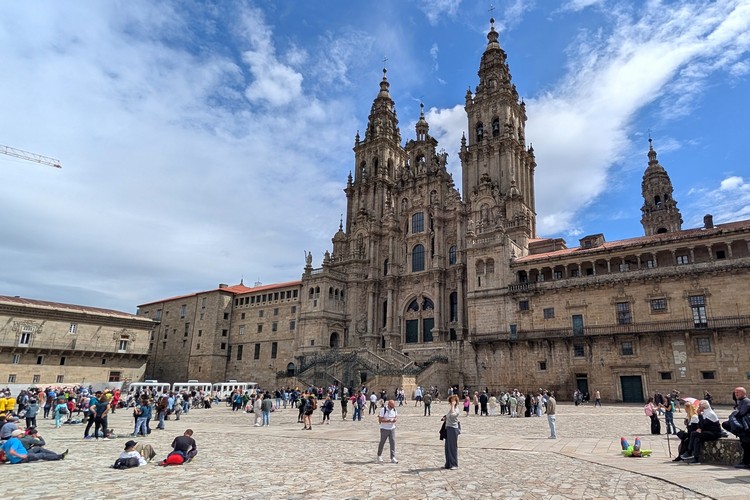
Day 13 – Santiago de Compostela
I had a full day to spend in Santiago de Compostela because I chose to walk straight from the Spiritual Variant to the cathedral in Santiago. It was nice to sleep in late and have a lazy breakfast before exploring this magnificent city.
I wrote a blog post about things to do in Santiago de Compostela after completing the Camino.
I spent two nights in Santiago de Compostela
- Night 1 – Nest Style Santiago – 100 euros for private room
- Night 2 – Hotel Entrecercas – 90 euros for private room with breakfast included
It was difficult to find affordable hotels in Santiago de Compostela. I arrived on Friday, May 1, which is a national public holiday in Spain (Labour Day – Fiesta del Trabajo).
My assumption is that the holiday long weekend is why hotel availability was limited.
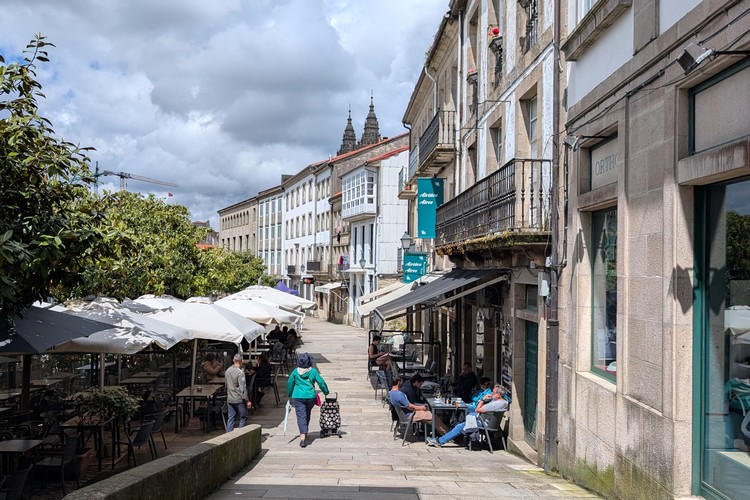
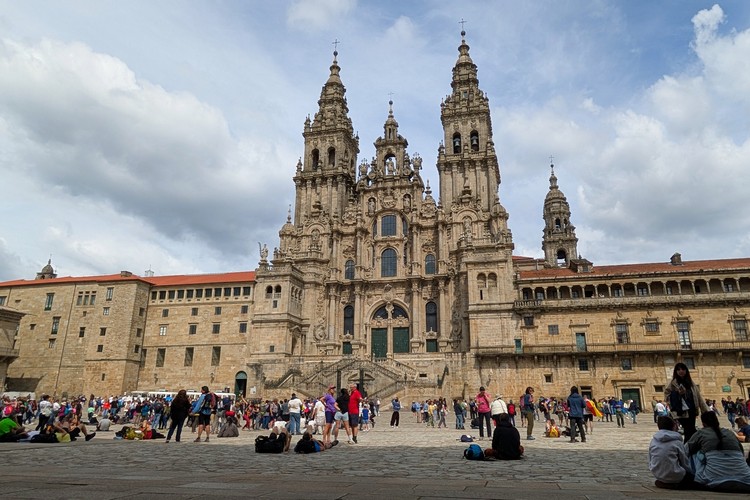
I didn’t get a photo of the exterior of Hotel Entrecercas in Santiago de Compostela. However, this is the view as soon as you step outside the entrance to the hotel.
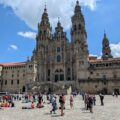
Notice the twin spires in the distance. This gives you perspective about how close the hotel is to the main cathedral.
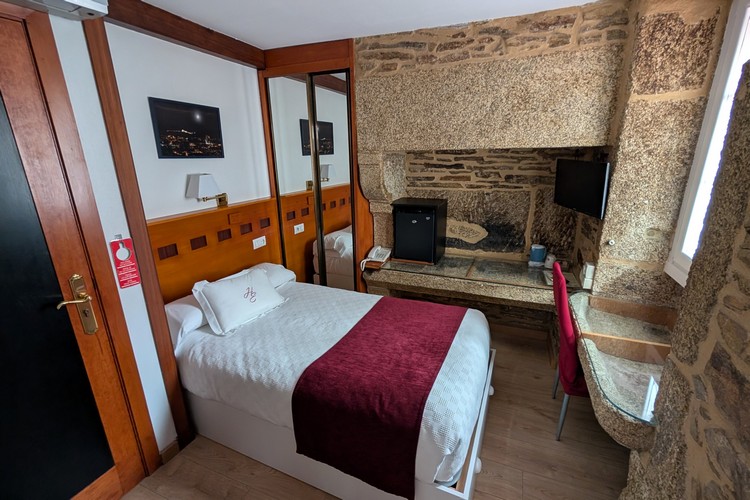
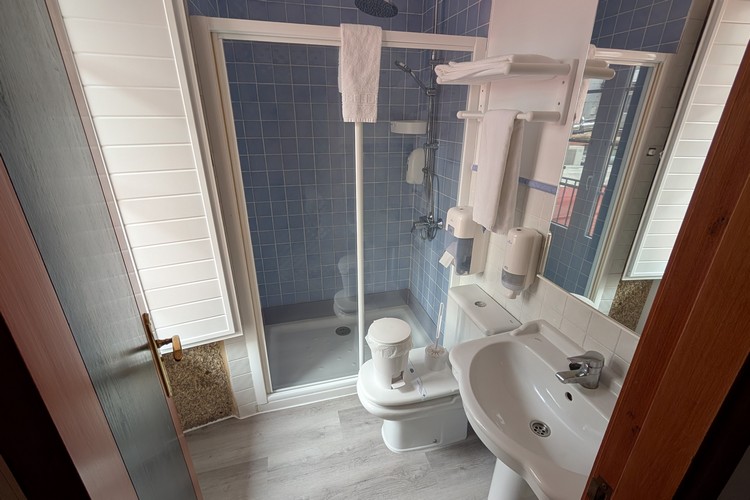
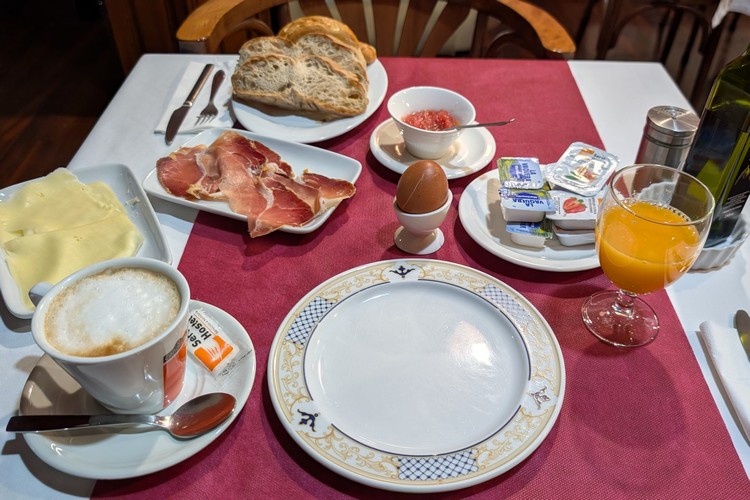
Recap of accommodation and price for each night
- Lavra –Angeiras Beach Hostel – 37 euros
- Agucadoura – Hotel Santo Andre – 55 euros (breakfast included)
- Mar – Mare de Passos Guest – 25 euros
- Viana do Castelo – Hotel do Parque – 40 euros
- Caminha – Arca Nova Hostel – 20 euros
- Viladesuso – Hotel Costa Verde – 59 euros
- Patos, Nigran – Patos Beach House – 46 euros
- Chapela (Vigo) – Hostal Bahía de Chapela – 65 euros
- Pontevedra – Albergue Nacama Hostel Pontevedra – 23 euros
- Barrantes – Hotel Nuevo Julios – 50 euros
- Vilanova de Arousa – Hotel Bradomin – 46 euros
- Santiago de Compostela (arrival night) – Nest Style Santiago – 100 euros
- Santiago de Compostela (2nd night) – Hotel Entrecercas – 90 euros (breakfast included)
- Porto – Stay Hotel Porto Centro Trindade – 83 euros
Total spent for 14 nights = 739 euros
The final three nights in Santiago de Compostela and Porto are the most expensive. If you remove these and only focus on the nights spent on the Camino, the total is 466 euros for 11 nights (42 euros per night average).
You’ll notice I mostly stayed in private hotel rooms. This is by choice, not because of lack of availability at hostels/albergues on the Portuguese Camino.
There are plenty of options for dorm beds on this Camino route(s).
I prefer to sleep in private rooms vs dorm rooms. I find it difficult to sleep in dorm rooms because I’m a light sleeper. The loud snoring and constant noise in the dorm rooms prevents me from having a good sleep, which is essential when walking 25km per day.
I do prefer hostels/albergues over hotels, for the social experience, but I prefer to sleep in a private room.
Some people will argue that you must sleep in dorm rooms to have the full Camino experience. I don’t believe this to be true.
Ironically, these same people will also argue that you should probably stay in a private room if I don’t like the snoring and loud noises in the shared dorm room. So I don’t give much attention to these opinions. Sleeping in a bunk bed does not define your Camino experience.
Videos from each stage of the Camino Portuguese
- Porto to Lavra (Litoral Way) – video recap Facebook and Instagram
- Lavra to Agucadoura (Póvoa de Varzim) – recap Facebook and Instagram
- Agucadoura to Mar (north of Esposende) – FB part 1 & part 2, IG part 1 & part 2
- Mar to Viana do Castelo (Coastal) – FB part 1 & part 2, IG part 1 & part 2
- Viana do Castelo to Caminha – FB part 1 & part 2, IG part 1 & part 2
- Caminha to Viladesuso (Litoral) – FB part 1 & part 2, IG part 1 & part 2
- Viladesuso to Patos Beach, Nigran – FB part 1 & part 2, IG part 1 & part 2
- Patos Beach to Chapela (Vigo suburbs) – FB part 1 & part 2, IG part 1 & part 2
- Chapela to Pontevedra (Coastal & Central) – FB part 1 & part 2, IG part 1 & part 2
- Pontevedra to Barrantes (Spiritual Variant) – FB part 1/part 2/part 3 and IG part 1/part 2/part 3
- Barrantes to Vilanova de Arousa (Spiritual Variant) – FB part 1 & part 2, IG part 1 & part 2
- Vilanova de Arousa to Santiago de Compostela – FB part 1/part 2/part 3 and IG part 1/part 2/part 3
- Santiago de Compostela – video recap Facebook and Instagram
- Santiago de Compostela to Porto – video recap Facebook and Instagram
Here is the recap of Where I stayed on the Camino Portuguese – Facebook and Instagram
Read more blog posts about Camino de Santiago:
- Thoughts and reflections after walking the Camino Frances
- What to do in Santiago de Compostela after walking the Camino
- Beginners Guide and FAQ about the Camino
- Why I started the Camino Frances in Leon, Spain
- Photos and video of my packing list for the Camino
- My Return to the Camino – what I’m doing differently this time
Are you considering walking the Camino Portuguese Coastal Route?
Leave a comment below if you have questions. I’ll do my best to answer.

Thank you, what an amazing breakdown of your itinerary, including your experience.