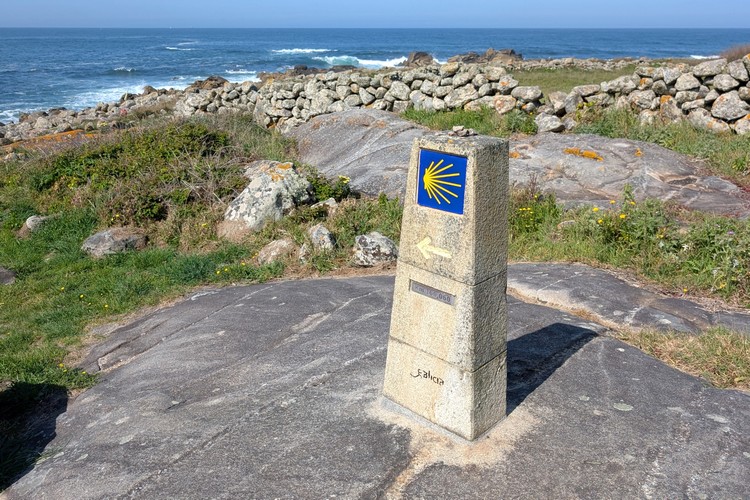
Thoughts after walking the Camino Portuguese
I have a lot of thoughts swirling in my head after walking the Camino Portuguese Coastal Route from Porto, Portugal to Santiago de Compostela, Spain. This is my second Camino in 12 months. I also walked a section of the Camino Frances last year (more on that here).
Inevitably, I found myself comparing this ‘new Camino’ with the ‘other Camino’ from last year.
But that’s not fair to the Portuguese Camino. You can’t repeat a ‘first time’ experience. The novelty and excitement of walking your first Camino cannot be replicated.
The Camino Portuguese and Camino Frances are different routes, with different landscapes, terrain and landmarks (and different countries, if that wasn’t obvious).
And, I am also a different person now. I see and experience the Camino differently. It’s no longer a mysterious and mystical pilgrimage in faraway lands. I’ve now walked the walk, so it feels more familiar and less distant.
In this blog post, I revisit my goals for the Camino Portuguese. I’ll also share a few lessons learned and what I would do differently now that I have the gift of hindsight.
Read more Camino de Santiago blog posts:
-
- Where I stayed on the Camino Portuguese Coastal Route
- My Return to the Camino – what I’m doing differently this time
- Beginners Guide and FAQ about the Camino
- Thoughts and reflections after walking the Camino Frances
- What to do in Santiago de Compostela after walking the Camino
- Why I started the Camino Frances in Leon
- Photos and video of my packing list for the Camino
I shared my Camino journey on Facebook and Instagram. If you’re curious about what the Portuguese Camino looks like, scroll to the bottom of this post for the video links from each stage.
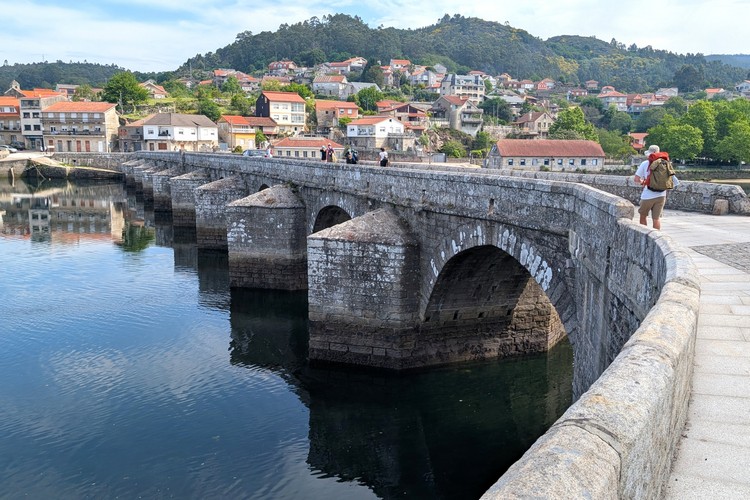
How was my Camino experience?
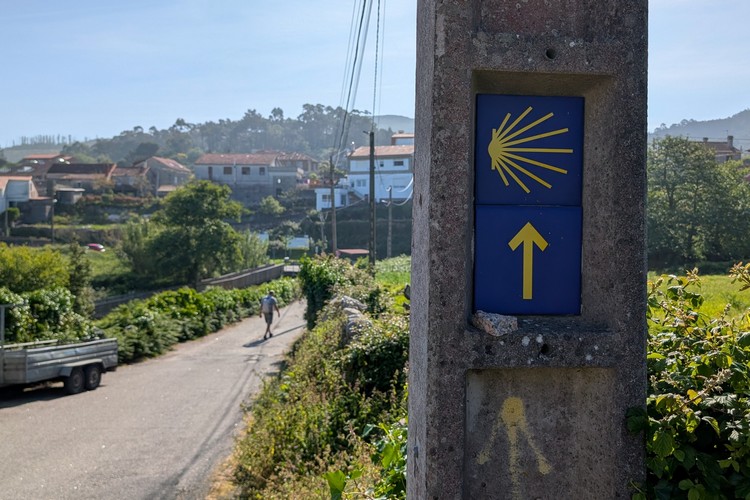
Similar to my previous experience, I had a great time walking the Camino de Santiago. The Portuguese route is stunning and I enjoy being on the trail. There’s something special about those yellow arrows.
And, like last time, the Camino Portuguese gave me exactly what I needed.
However, unlike last time, I was not trying to fix myself or work through life issues on this Camino. I simply wanted to have another grand solo adventure. To challenge myself and feel the pride of accomplishing something big, instead of doing a traditional vacation.
What I love about walking the Camino is that it actually allows me to have a time-out from every day life. To turn off the depressing news headlines and enjoy the simple moments, like having a coffee on a patio and listening to the birds sing.
Walking the Camino Portuguese allowed me to fully embrace the quiet solo time, while also adding the joy of walking and talking with complete strangers from around the world.
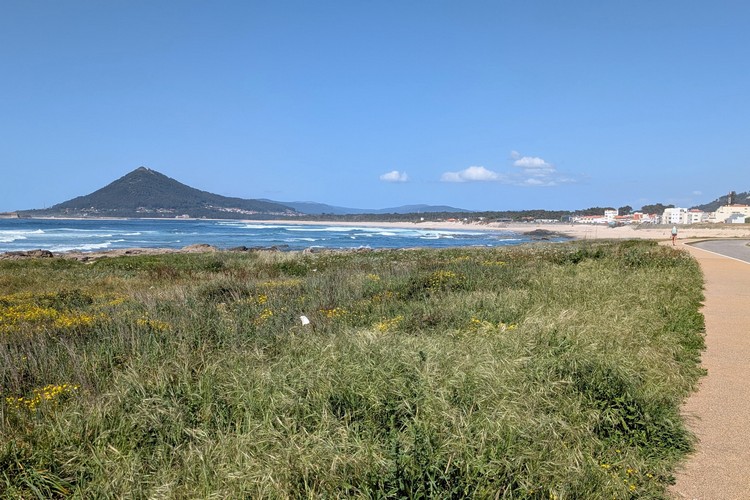
I found the terrain on the Camino Portuguese Coastal Route to be easier than the Camino Frances. It does have sections that are steep and challenging, but most of the trail is relatively flat.
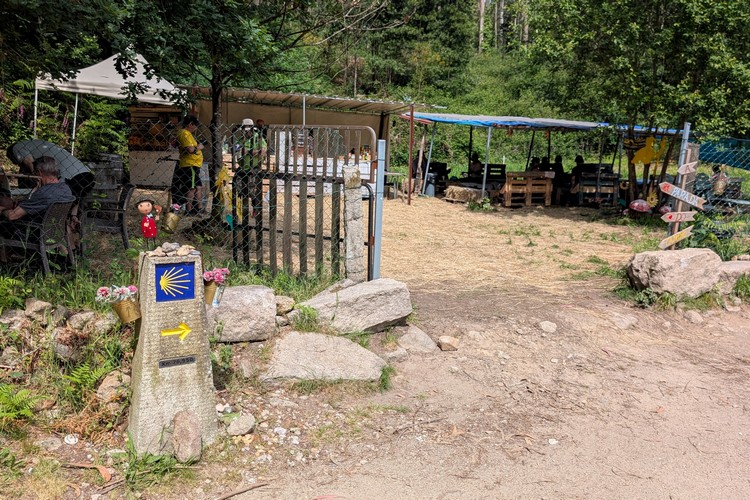
What did I learn on this Camino?
The big takeaway from this experience is to let go of the past to make space for the future.
This lesson presented itself early in my journey, when I found myself comparing the Portuguese Camino with the Camino Frances. The first two days did not ‘feel like the Camino’. It felt more like a nice walk on a long stretch of coastline.
Ironically, when I stopped trying to ‘find the spirit of the Camino’, it magically appeared.
I like that the Camino allows you to ‘choose your own adventure’. And that you can change your plans if/when you want. I don’t know if I can go back to traditional vacations now that I’ve had these Camino experiences.
It really does change your perspective about travel.
Related post: Beginner’s Guide to the Camino de Santiago
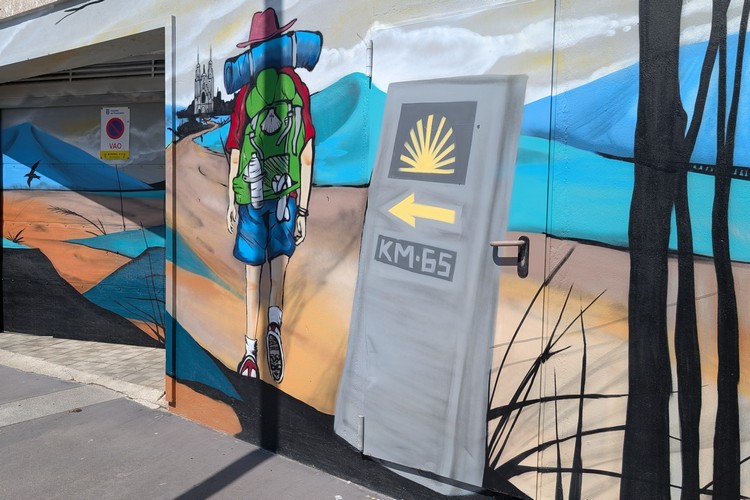
What I did differently on this Camino
I wrote a blog post about what I planned to do differently on this second Camino. Read that blog post here.
I’ll revisit those goals here and share my thoughts now that I’ve completed the walk.
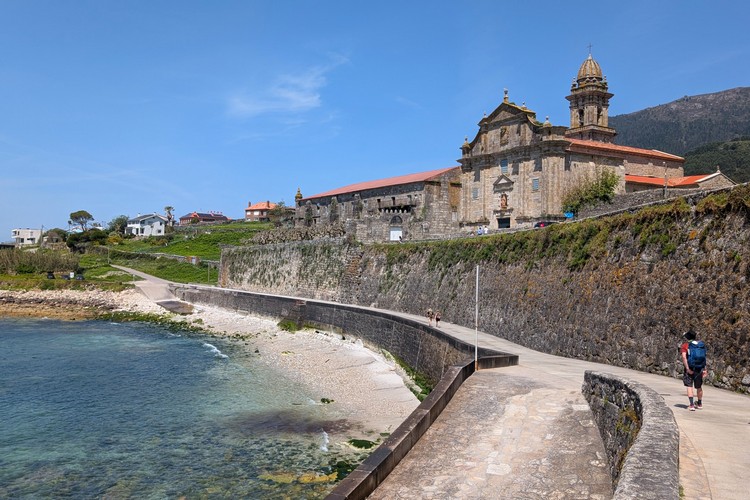
1. Stay at albergues in shared dorm rooms
Result – I stayed in 4 dorm rooms during my 12 nights. See a list of accommodations here.
As expected, I had trouble sleeping in the shared dorm rooms. My bunkmates were loud (snoring, coughing, sleep talking) and made a lot noise throughout the night. I’m a very light sleeper, so I expected this would be an issue for me.
Verdict – Dorm rooms are fine, but I still prefer private rooms. I met plenty of pilgrims when I stayed at hotels (not just hostels/albergues), so you don’t have to stay in a dorm room to find social interactions.
2. Book my accommodations
Result – I had no issues finding and booking accommodations while on the Camino Portuguese. It’s not complicated and there are lots of options.
On my first Camino, I had every night planned and booked ahead of time. I did not want to worry about finding accommodations each day, so this seemed like a good idea. And it was, for that journey. But it’s not necessary. You don’t need to book all of your accommodations ahead of time.
I made a short video about how I booked my accommodations while walking the Portuguese Camino.
Some pilgrims don’t like to book ahead. In fact, some dislike that hostels and albergues allow reservations for pilgrims. Their view is that reservations might take a bed from them (there is truth to this logic) and that not making reservations is the true way to walk the Camino. I disagree with this view.
Regardless of your opinion on this, it’s wise to make a reservation if you have your heart set on a particular property. Similar to making a dinner reservation at a popular restaurant. It’s an easy way to avoid disappointment.
Some albergues and hostels are not listed on booking engines. You have to call or text them to make a reservation or confirm availability.
Verdict – I’m happy with the decision. It’s easy to find and book accommodations on the Camino.
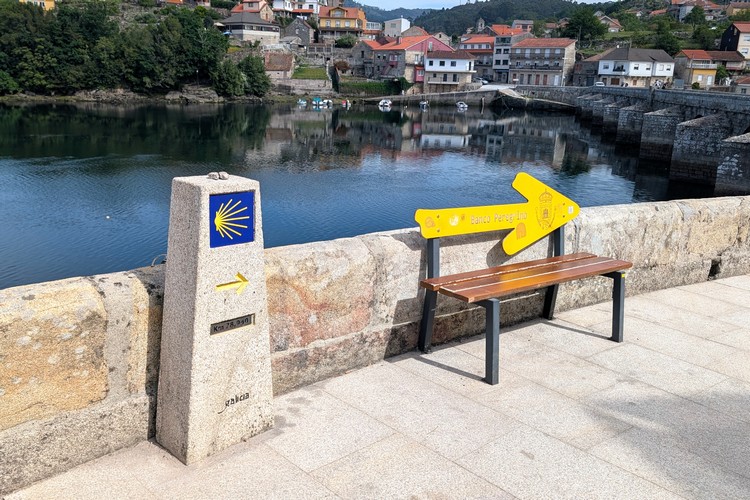
3. Create space for spontaneity
Result – I booked my accommodations 1-2 days in advance, which allowed some flexibility with my route.
I had a general plan for where I wanted to stay each day (town or city). The end result was not far from this original plan. Here’s a visual map of my itinerary.
When I left in the morning, I had my accommodations booked. I knew my final destination for the day.
Another thing to keep in mind is weather. I lucked out with almost perfect weather on my entire Camino (my start day was April 20). On my final day, I decided to walk 30 km to Santiago because it was supposed to rain the following morning (and it did).
I’m glad I had the flexibility to speed up or slow down depending on the weather forecast.
Verdict – I like this approach and would recommend it. However, I still ended up following the general plan, so I’m not sure if my intention made a difference in the outcome.
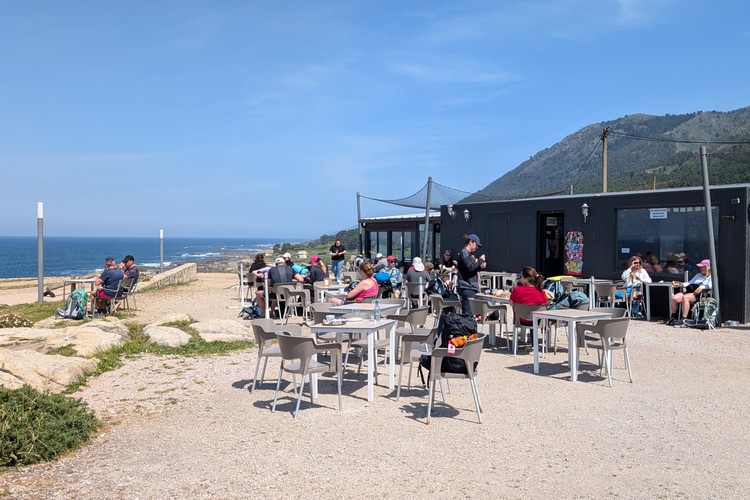
4. Carry everything in my backpack (no luggage transfer)
When I walked the Camino Frances, I took advantage of the luggage transfer service.
If you’re unfamiliar, it’s a convenient service that transports your bag/luggage from hotel to hotel for about 6 euros per bag, per segment. To use this service, you must know where you are staying so the driver knows where to deliver your bag.
Result – I did not to use the luggage transfer service on the Camino Portuguese because it conflicted with the above points. I carried everything in my backpack. See my packing list here.
Verdict – carrying everything in my backpack was the right decision. It did make the walk more challenging, but I did not find it too difficult. Just make sure to limit the weight by being very selective with the items you choose to bring.
My trip to Europe was exclusively to walk the Camino. Therefore, my limited items was fine. However, if I was walking the Camino as part of a bigger European adventure, then I might bring a bigger bag/luggage and ship it from Porto to Santiago.
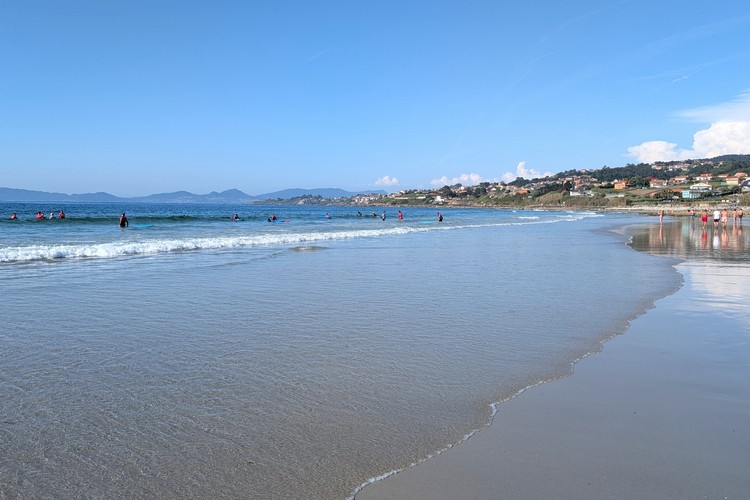
5. Slow my pace. Enjoy the beach and coastal landscapes
Result – I made an effort to slow down and take more breaks. However, I found myself wanting to walk, instead of sitting on a beach. I’m not great at sitting still.
Similar to last year, I find that my sweet spot is walking 25 km per day.
Walking less than 20 km feels too light and I arrive at my next destination too early. Yet walking 30+ km feels like too much. It’s doable, but my body starts screaming at me after 30 km.
I had a total of 16 days for this trip
The breakdown: 12 days to walk the Camino, 1 day in Santiago de Compostela, 1 day to travel from Santiago de Compostela back to Porto, 1 day in Porto, plus 1 travel day to get home.
I did not have the flexibility to extend the trip by adding more days.
Therefore, when I say slow down, I mean taking more time to enjoy the moment, not walking less distance per day. To include the Spiritual Variant, my average daily distance needs to be approx. 25 km per day.
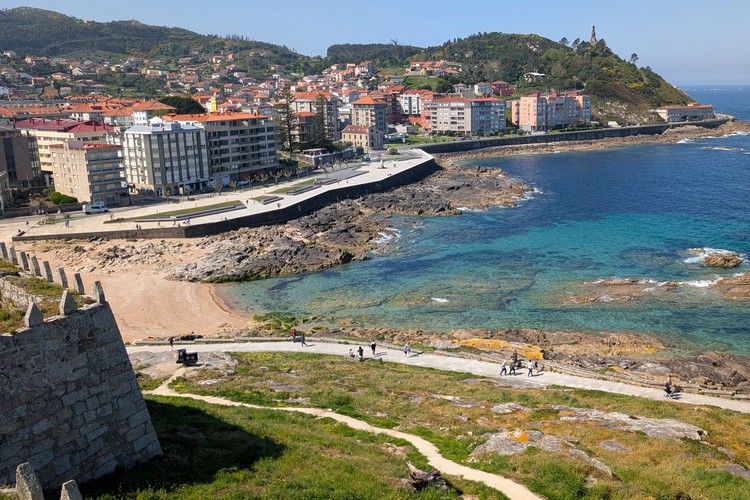
Verdict – I did enjoy the small moments on this Camino. I had some long walking periods, but I also had more breaks and time to appreciate the scenery. It was the right balance for me.
6. Spend more time with strangers
Result – I met a lot of people on this Camino and enjoyed the social time with strangers from around the world. Every day I met someone new and spent time talking and walking. Some interactions were brief, while others lasted several hours.
Many people walk the Camino to process and work through big life issues/transitions. This can lead to some very deep and personal conversations.
In some cases, people launch into their personal reason(s) for walking early in the interaction. I’m fine going deep and letting people share, but sometimes I don’t feel like having long and heavy conversations. It’s a lot to ask of a stranger.
I also like walking alone with my thoughts, so it can be challenging to strike the right balance.
Building on the first point above, I thought that staying in dorm rooms at the albergues/hostels would lead to more social interactions. While I did encounter more pilgrims at the albergues, many of the interactions at the albergues were just brief pleasantries in passing, rather than real conversations.
I met more people while walking on the trail, rather than at the accommodations. Perhaps that’s because I was tired in the evenings and less open or enthusiastic about having a conversation.
Verdict – I’m glad that I put myself out there more often. I was intentional about striking up conversations and I chose to join people at coffee/lunch/dinner vs sitting alone. I met some nice people and that made this Camino experience more enjoyable.
Is the Spiritual Variant worth it?
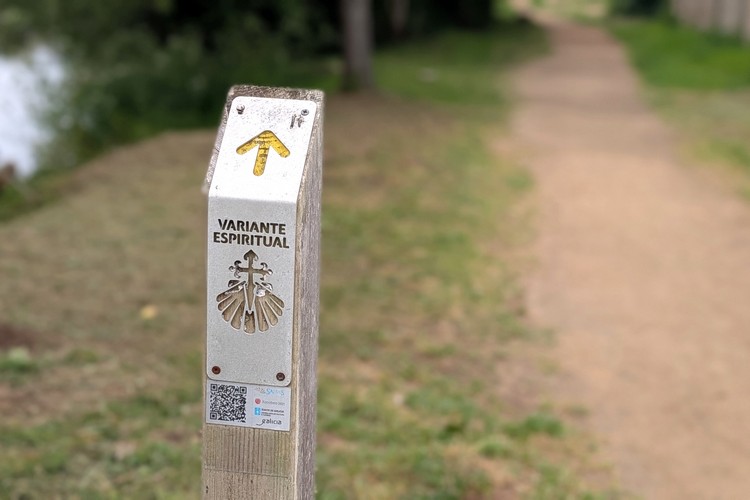
When pilgrims reach the city of Pontevedra they have a choice to make. Continue walking north to Caldas de Reis on the original Camino route (most popular option) or walk the Spiritual Variant towards A Armenteira.
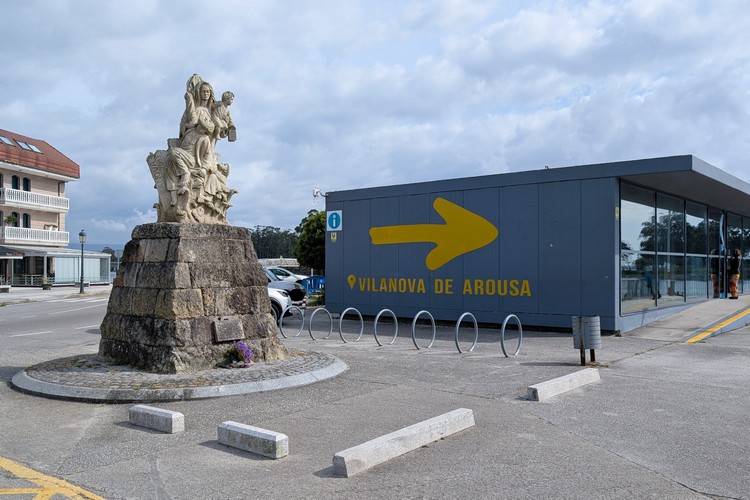
Choosing the Spiritual Variant (Variante Espiritual) will add one extra day of walking. It includes a 2 hour boat ride from Vilanova de Arousa to Pontecesures (Padron).
So, the question is – is doing the Spiritual Variant worth it?
It’s not an easy question to answer because there are a lot of variables, including time, distance, weather, availability of boat and accommodations, etc.
I did not walk the original Camino Portuguese Central route from Pontevedra to Padron, so I don’t know what that section is like or how it compares to the Spiritual Variant. However, I will share my thoughts about walking the Spiritual Variant.
What I like about the Spiritual Variant
- Mosteiro de San Xoán de Poio and Mosteiro de Santa María da Armenteira – beautiful monasteries that are definitely worth visiting.
- Combarro – a historic coastal fishing village with some of the best-preserved collections of traditional maritime architecture from the region, including seafront granaries (hórreos), stone crosses (cruceiros), and traditional fishermen’s houses.
- Ruta da Pedra e da Auga (The Route of Stone and Water) – this is my favourite section on the Spiritual Variant. You walk through a lush green forest alongside the river, passing dozens of ancient stone watermills. Enchanted and magical are adjectives that come to mind.
- Barrantes to Ponte Arnelas – this is a nice section along a river that passes through vineyards.
- Vilanova de Arousa – I enjoyed my time here. I arrived mid-afternoon so I had time to explore the city.
I stayed in the town Barrantes (at Hotel Nuevo Julios) instead of A Armenteira because it has more options for food and accommodations.
Many pilgrims choose to stay at albergues in Armenteira. However, there aren’t a lot of options in A Armenteira. It’s a quite village, so this is an ideal stop if you just want to relax and have an early night.
What I did NOT like about the Spiritual Variant
- The section after Combarro is a 400+ meter climb on a paved road. It’s not too steep, but it’s a steady uphill walk for over an hour. It’s not a particularly nice section.
- Ponte Arnelas to Vilanova de Arousa – I hate to sound picky or ungrateful, but this was one of my least favourite sections on the Camino. Maybe it’s because the weather was grey and overcast during my walk? Perhaps I’m unfairly comparing it to other sections on the Camino.
- Boat ride – I feel like boat from Vilanova to Pontecesures is touristy and over-hyped. I took the big boat, which felt like a small commuter ferry. The weather was cold, wet and overcast during my trip, which probably impacts my opinion. It was totally fine, but it did not feel unique or special.
What I would do differently
If I were to do it again, I would try to take the afternoon boat departure instead of early morning.
I met pilgrims who did the 1:00 pm departure from Vilanova de Arousa. It was on the smaller boat that seats about a dozen passengers. I’ve seen conflicting information online, so I’m not sure how frequent these afternoon departures happen.
If I were to take the afternoon boat, then I would plan to stay in Padron.
I would have liked to spend more time in Padron. Because I caught the early morning departure, it did not make sense to spend the night in Padron. I would have arrived way too early.
The big boat is easier to get a last minute seat, so many pilgrims will go with this option. It has a large, comfortable cabin that protects you from the wind and rain.
However, I think the small boat offers a more intimate and adventurous experience. Yes, you may get wet, but that’s part of the fun, right?
My itinerary, accommodations and price for each night
- Lavra –Angeiras Beach Hostel – 37 euros
- Agucadoura – Hotel Santo Andre – 55 euros (breakfast included)
- Mar – Mare de Passos Guest – 25 euros
- Viana do Castelo – Hotel do Parque – 40 euros
- Caminha – Arca Nova Hostel – 20 euros
- Viladesuso – Hotel Costa Verde – 59 euros
- Patos, Nigran – Patos Beach House – 46 euros
- Chapela (Vigo) – Hostal Bahía de Chapela – 65 euros
- Pontevedra – Albergue Nacama Hostel Pontevedra – 23 euros
- Barrantes – Hotel Nuevo Julios – 50 euros
- Vilanova de Arousa – Hotel Bradomin – 46 euros
- Santiago de Compostela (arrival night) – Nest Style Santiago – 100 euros
- Santiago de Compostela (2nd night) – Hotel Entrecercas – 90 euros (breakfast included)
- Porto – Stay Hotel Porto Centro Trindade – 83 euros
Total spent for 14 nights = 739 euros
The final 3 nights in Santiago de Compostela and Porto are the most expensive. It was a holiday when I arrived in Santiago de Compostela, so availability was limited (higher prices).
If you remove these 3 nights and only focus on the 11 nights spent on the Camino, the total is 466 euros (42 euros per night average).
You’ll notice I mostly stayed in private hotel rooms. This is by choice, not because of lack of availability at hostels/albergues on the Portuguese Camino.
There are plenty of options for dorm beds on this Camino route(s).
Final thoughts
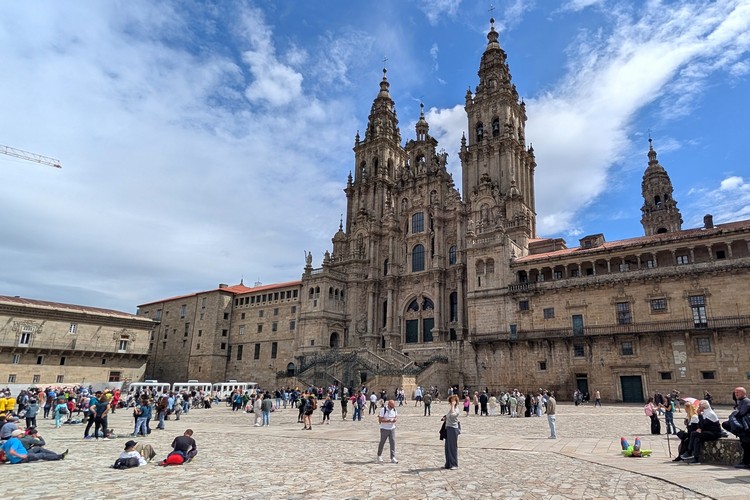
I really enjoyed my time walking the Camino Portuguese Coastal Route. It’s such a fun way to travel. Every day is different, with new landscapes, terrain, towns and local attractions.
This experience felt very different from my first Camino. I felt more confident, more educated and more comfortable on the trail.
However, it did not feel as ‘big’ as the first one, which I suppose is to be expected. You cannot replicate a first time experience.
It was a fantastic adventure, but it did not lead to transformational change or enlightenment. And that’s okay. The hype and romanticization of the Camino can create unrealistic expectations.
I believe that small, incremental changes are more impactful and meaningful. Walking the Camino reinforced this believe.
The goal for this Camino was to have a fun adventure in Europe, enjoy time on the trail, and accomplish something big vs taking a traditional European vacation.
And, like last time, the Camino delivered exactly what I needed.
Videos from each stage of the Camino Portuguese
- Porto to Lavra (Litoral Way) – video recap Facebook and Instagram
- Lavra to Agucadoura (Póvoa de Varzim) – recap Facebook and Instagram
- Agucadoura to Mar (north of Esposende) – FB part 1 & part 2, IG part 1 & part 2
- Mar to Viana do Castelo (Coastal) – FB part 1 & part 2, IG part 1 & part 2
- Viana do Castelo to Caminha – FB part 1 & part 2, IG part 1 & part 2
- Caminha to Viladesuso (Litoral) – FB part 1 & part 2, IG part 1 & part 2
- Viladesuso to Patos Beach, Nigran – FB part 1 & part 2, IG part 1 & part 2
- Patos Beach to Chapela (Vigo suburbs) – FB part 1 & part 2, IG part 1 & part 2
- Chapela to Pontevedra (Coastal & Central) – FB part 1 & part 2, IG part 1 & part 2
- Pontevedra to Barrantes (Spiritual Variant) – FB part 1/part 2/part 3 and IG part 1/part 2/part 3
- Barrantes to Vilanova de Arousa (Spiritual Variant) – FB part 1 & part 2, IG part 1 & part 2
- Vilanova de Arousa to Santiago de Compostela – FB part 1/part 2/part 3 and IG part 1/part 2/part 3
- Santiago de Compostela – video recap Facebook and Instagram
- Santiago de Compostela to Porto – video recap Facebook and Instagram
Here’s the recap of Where I stayed on the Camino Portuguese – Facebook and Instagram
Read more Camino de Santiago blog posts:
- Where I stayed on the Camino Portuguese Coastal Route
- My Return to the Camino – what I’m doing differently this time
- Beginners Guide and FAQ about the Camino
- Thoughts and reflections after walking the Camino Frances
- What to do in Santiago de Compostela after walking the Camino
- Why I started the Camino Frances in Leon
- Photos and video of my packing list for the Camino
Are you considering walking the Camino Portuguese Coastal Route?
Leave a comment below if you have questions. I’ll do my best to answer.

Leave a Reply